
Anyone who has taken on a renovation knows the moment when plans begin to unravel.
A wall is opened up, tiles are lifted or old cabinetry removed and, suddenly, the scope changes: mould blooms where it wasn’t expected, timber shows signs of rot, or evidence of a previous owner’s enthusiastic but poorly executed DIY project comes into view.
What began as a cosmetic upgrade can quickly become a more complex and costly undertaking.
Such discoveries are common in Bermuda, where the housing stock spans decades and construction methods have evolved over time.
Older homes, in particular, often conceal layers of work carried out under different standards, materials and expectations.
Changes made years ago may no longer meet current codes, while materials once considered suitable have since proven vulnerable to the island’s climate.
Mould
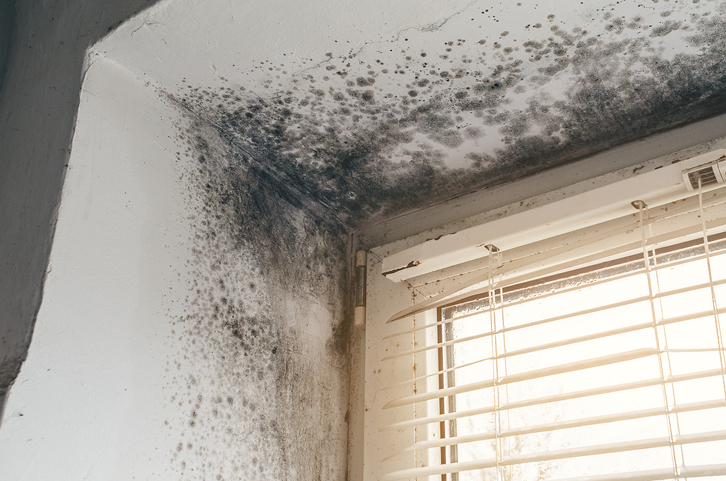
Mould is one of the most frequent surprises encountered during renovations. Bermuda’s humid environment, combined with older ventilation systems and enclosed spaces, creates ideal conditions for it to develop unnoticed. It often sits hidden behind bathroom tiles, kitchen cabinets and drywall until renovation work disturbs it. While small surface patches can sometimes be addressed, more extensive mould typically points to deeper issues such as long-term moisture intrusion, leaking pipes or inadequate airflow — problems that must be resolved before any cosmetic work continues.
Left untreated, mould can affect indoor air quality and compromise surrounding materials, turning what seemed like a minor upgrade into a necessary remediation project.
Structural issues
Timber rot, weakened joists and cracked concrete can emerge once floors and walls are opened up. Salt air, humidity and water exposure can accelerate deterioration, particularly in homes near the ocean or those that have experienced repeated leaks over time. While unsettling, these discoveries often explain long-standing issues such as uneven floors, sticking doors or persistent damp.
Addressing them properly not only stabilises the structure but can prevent far more serious damage and expense later on.
Errors of the past
Previous DIY work can complicate renovations further. In Bermuda, it’s not unusual for builders to encounter non-compliant wiring, improvised plumbing solutions or structural alterations that were never formally approved by the Department of Planning. While such fixes may have functioned adequately for years, current building standards typically require them to be corrected once uncovered. Bringing a property back into compliance is essential not only for safety, but also for insurance coverage and future resale, as unapproved work can become a significant obstacle during a sale.
Plan ahead
Because of these realities, homeowners are generally advised to plan for the unexpected. A contingency allowance of 10 to 20 per cent of the overall budget is widely recommended to accommodate unforeseen repairs. That buffer can make the difference between calmly reassessing a project and being forced into rushed decisions that compromise the end result. In some cases, it also allows homeowners to make more durable choices rather than opting for short-term fixes simply to stay on budget.
Time flexibility matters just as much. Shipping delays, limited availability of licensed specialist trades and the possibility of additional inspections by building authorities can all extend renovation timelines once new issues arise.
In Bermuda, where many materials are imported and specialist professionals may be booked well in advance, even small discoveries can have knock-on effects. Construction professionals caution that pushing ahead without resolving underlying problems properly often leads to higher costs, repeat work and avoidable stress.
This is where good project management becomes critical. When conditions change, regular updates and clear decision-making help keep everyone aligned. Adjusting plans, resequencing work or pausing to seek additional advice can feel frustrating in the moment, but it often prevents larger setbacks later. A strong project manager acts as a buffer between homeowner, trades and suppliers, helping to manage expectations while keeping the long-term goal in view.
Due diligence
There are practical steps homeowners can take before renovation work begins to reduce the likelihood of major surprises. Detailed inspections, moisture testing and professional assessments can highlight potential red flags early. Reviewing previous permits and renovation records — where available — can provide insight into what work has already been done, and whether it was formally approved. In older homes, these checks can be particularly valuable, offering a clearer picture of what lies behind walls and under floors. While no amount of preparation can eliminate every risk, thorough planning can significantly improve outcomes.
Common sense
Just as important is knowing when to pause. When unexpected issues surface, homeowners are often tempted to push ahead in the hope that problems will resolve themselves or remain manageable. In practice, slowing down to reassess — and to seek additional expertise where needed — often leads to better decisions and stronger long-term results. Taking time to address root causes rather than symptoms can preserve both the integrity of the home and the investment being made.
Unexpected discoveries are part of the renovation process. How they are handled often matters more than the discovery itself.
Mould, structural repairs and correcting outdated work may disrupt original plans, but addressed properly, these challenges can become an investment rather than a setback — strengthening the home, improving safety and laying the groundwork for a renovation that truly lasts.
