
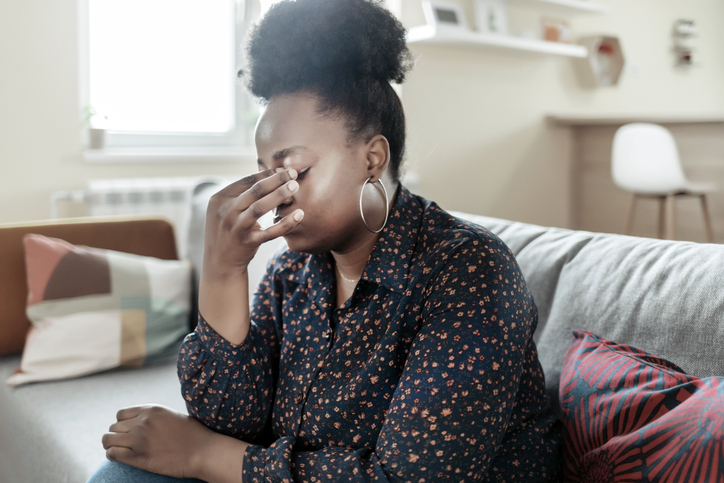
Strokes can happen to anyone – but they are more likely to kill women than men.
It’s the third leading cause of death for females, but only number five on the list for males.
This is partly because strokes tend to be more lethal when they strike later in life, and women generally live longer than men; nearly half of the strokes in women happen after the age of 80.
But there are other factors, including:
- Postmenopausal changes such as high blood pressure, high cholesterol and diabetes all increase the risk of vascular diseases.
- Preeclampsia, a blood pressure disorder associated with pregnancy, can lead to haemorrhage or ischemic damage even years later.
- Problems with blood vessels in the brain, such as aneurysms, are more likely to affect women.
- Migraines with aura – recurring headaches often accompanied by visual flashes, blind spots or tingling, often brought on by hormonal fluctuations.
- High blood pressure can be brought on by hormonal changes due to pregnancy, birth control pills or falling oestrogen levels after menopause. Black women are at particular risk.
- Atrial fibrillation – rapid or irregular heartbeat – is more common in women because of hormonal reasons and their longevity.
A stroke happens when blood flow to part of the brain is blocked, or a vessel bursts, which starves the brain cells of oxygen.
It becomes fatal if the brain becomes completely deprived of oxygen and can no longer regulate bodily functions such as breathing or heart rate. It can also lead to facial drooping, arm weakness and speech difficulties; recovery can take weeks, months or years. Some patients face permanent disabilities.
Stroke is usually the first cardiovascular disease to appear in women – as opposed to men, for whom coronary heart disease is more common.
Symptoms can appear suddenly and are often mistaken for something else, so health experts use the acronym FAST:
- Face weakness: one side of your face falls and it is difficult to smile.
- Arm weakness: it’s difficult to lift both arms and keep them in place.
- Speech problems: you’re slurring your words
- Time to call 911.
Other symptoms include feeling weak or numb down one side of your body, blurred vision, loss of sight in an eye, confusion and memory loss, feeling dizzy, sick or nauseous.
Stroke care in Bermuda has improved since the Bermuda Hospitals Board’s Primary Stroke Care Centre established a partnership with Johns Hopkins International seven years ago.
Local doctors have focused on prevention and early treatment. More than 400 patients were treated for stroke in the past two years, many of whom received a new and effective clot-busting medication, while their medical history, blood count and imagery is also considered.
Women can reduce their chances of stroke by:
- Monitoring blood pressure. There are often no symptoms for hypertension, so get it checked out frequently.
- Adopt the Mediterranean diet of fruits, vegetables, whole grains and lean proteins. Reduce salt.
- Exercise regularly. Doctors recommend at least 2½ hours of moderate activity such as brisk walking per week.
- Quit smoking and drink alcohol in moderation.
- Monitor diabetes and high cholesterol.
- Reduce stress.
- Discuss any specific risk factors with your doctor, such as pregnancy, menopause or migraines with aura.
Sources for this article include Stroke Association UK, NHS, Harvard Health, Office on Women’s Health in the United States.
