
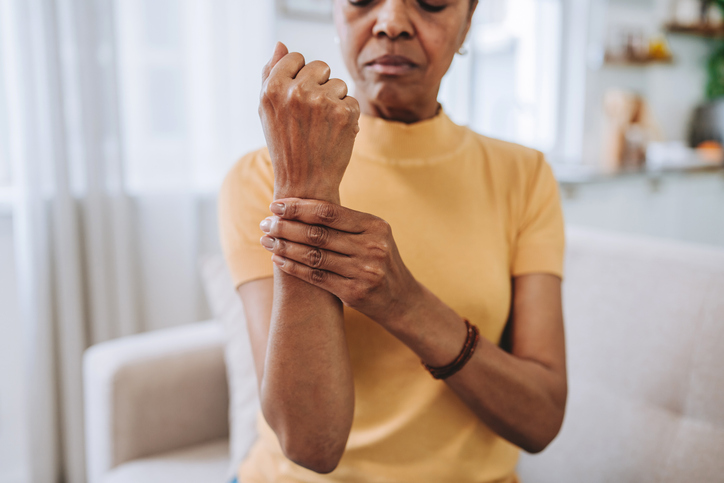
Osteoporosis is often described as a “silent disease” because bone loss develops gradually and usually without obvious symptoms.
The condition causes bones to become weaker and more fragile over time, increasing the risk of breaks, particularly in the hip, spine and wrist.
As bones lose strength, even a relatively minor fall can lead to a fracture — something healthy bones would normally withstand. While osteoporosis can affect both men and women, women face a much higher risk, especially after menopause.
According to Bermuda Cancer and Health Centre, women are four times more likely than men to develop osteoporosis, particularly after menopause, when falling levels of oestrogen accelerate bone loss.
Screening to assess bone health is available through the charity’s bone densitometry service, which has been offered for more than two decades. The test, often referred to as a bone mineral density or DXA scan, measures the strength of bones and helps doctors determine a person’s risk of osteoporosis and fractures.
Health professionals say early detection is important because osteoporosis can progress for years without symptoms. The Bermuda Cancer and Health Centre notes that bone density testing can identify bone loss before a fracture occurs, allowing patients and their doctors to take steps to protect bone health and reduce future risk.
Hormonal change
Understanding how osteoporosis develops can also help people take steps to prevent it. Bone is living tissue that is constantly renewing itself. In childhood and early adulthood, the body builds bone faster than it breaks it down, allowing bone strength to increase and usually reach its peak by the late twenties or early thirties.
It’s after that point that the balance gradually shifts and bone loss begins to occur. Hormones play a key role in that process, particularly oestrogen, which helps maintain bone density. When oestrogen levels fall during menopause, the rate of bone loss speeds up significantly.
That hormonal change is one of the main reasons women are more likely to develop osteoporosis later in life. The years immediately following menopause, especially, are often when bone loss happens most rapidly.
Risk can also vary among different ethnic groups. Research has shown that White and Asian women tend to have higher rates of osteoporosis, partly because they generally have lower average bone density and smaller body frames. Black women typically have higher bone mineral density and therefore a lower overall risk, although the condition can still occur.
Other factors can also increase the likelihood of developing osteoporosis. The Bermuda Cancer and Health Centre notes that people may be at higher risk if they have a family history of osteoporosis or fractures, smoke, have a low body weight or have taken certain medications — such as long-term steroids — that can affect bone health.
Because the disease develops slowly, it often goes unnoticed until a fracture occurs. A minor fall can suddenly result in a broken wrist, while spinal fractures may happen gradually, causing back pain, loss of height or a stooped posture over time.
A bone density scan can help identify those risks early. The test is quick, painless and non-invasive. During the scan, a patient lies on a table while a scanning arm passes over the body, usually measuring bone density in the hip and spine. The procedure takes only a few minutes and uses a very low level of radiation.
The results are then sent to a patient’s physician, who can determine whether bone density falls within a healthy range or whether osteoporosis or osteopenia — the earlier stage of bone loss — may be present.
Screening is often recommended for women around the time of menopause, although doctors may also suggest testing earlier for people with additional risk factors.
Prevention
While ageing and menopause are unavoidable, there are many steps people can take to maintain stronger bones. Diet plays an important role. Calcium is essential for bone health and can be found in foods such as milk, yoghurt, cheese and leafy green vegetables. Almonds, tofu and fish such as sardines and salmon are also good sources.
Vitamin D is equally important because it helps the body absorb calcium effectively. Sunlight is a natural source, while oily fish, egg yolks and fortified foods can also contribute to vitamin D intake. In some cases, doctors may recommend supplements.
Regular exercise can also help maintain bone density. Weight-bearing activities such as walking, jogging, dancing or tennis stimulate bone formation and help slow bone loss. Strength training is beneficial as well, as stronger muscles help support bones and improve balance.
Lifestyle choices can make a difference too. Smoking has been linked to faster bone loss, while excessive alcohol consumption can interfere with the body’s ability to absorb calcium and maintain healthy bone tissue.
For people diagnosed with osteoporosis, treatment options are available that can help slow bone loss and reduce the risk of fractures. Doctors may prescribe medications that slow the breakdown of bone or encourage new bone formation, often alongside lifestyle changes such as improved nutrition and exercise.
Simple changes — such as improving lighting at home, removing trip hazards and wearing supportive footwear — can also help reduce the risk of falls.
Although osteoporosis is common, health professionals say it is not an inevitable part of ageing. With awareness, screening and healthy lifestyle habits, many people can protect their bone health and reduce the risk of fractures later in life.
Paying attention to bone health around the time of menopause can be especially important. Early screening and preventive steps can help ensure that the “silent disease” does not go unnoticed until it is too late.
Sources for this article included Bermuda Cancer and Health, Bermuda Hospitals Board and the International Osteoporosis Foundation.
