
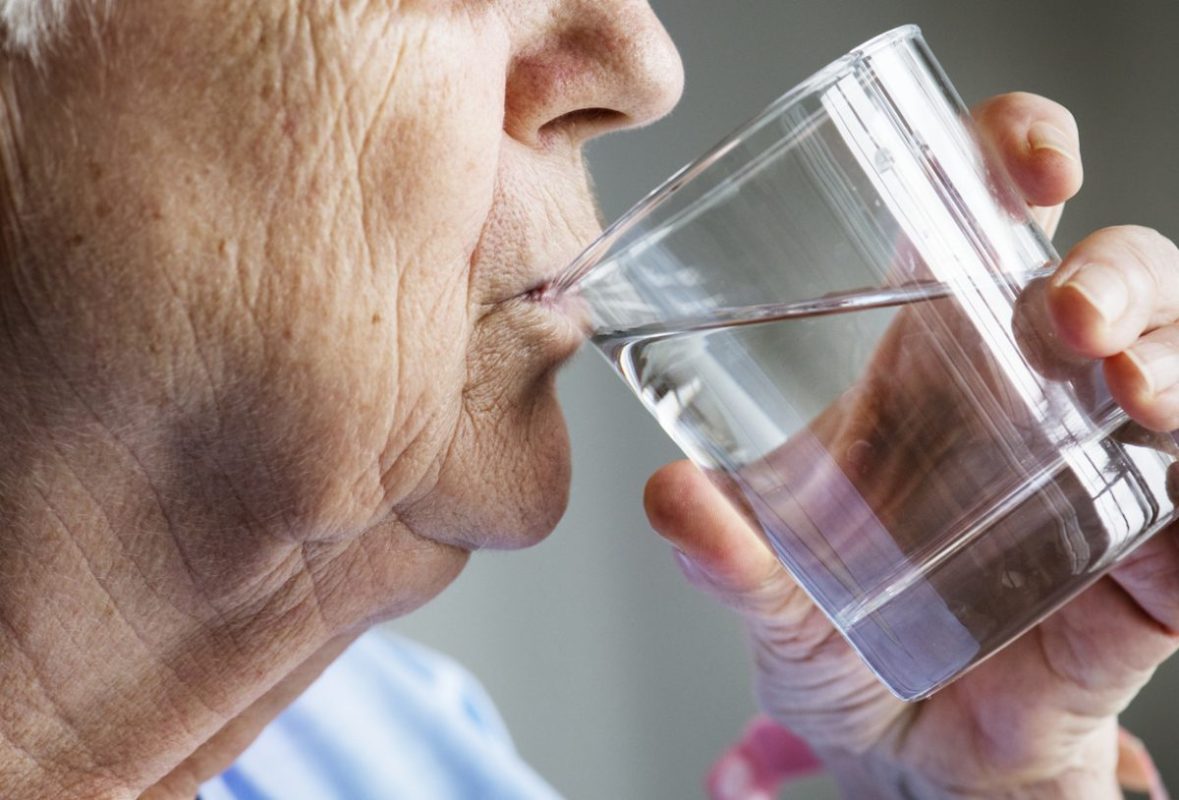
Most people know they should probably be drinking more water. Yet for many adults, especially those balancing work, family and busy schedules, hydration is often overlooked in favour of morning coffee, soft drinks or rushing through the day on autopilot.
“People find it ‘boring’, or simply just forget, especially if they lead a busy lifestyle,” explained Rosanna Strickland, a registered dietitian and nutritionist with Island Nutrition Limited.
Others intentionally avoid drinking water because they do not want to make frequent trips to the bathroom — something specialists say can have the opposite effect.
“Concentrated urine irritates the bladder, which can make it feel like you have to go more often,” Ms Strickland said.
“The risks of keeping yourself deliberately dehydrated significantly outweigh the benefits of avoiding a few trips to the bathroom.”
Hydration becomes increasingly important with age. While there is no sudden turning point at 50, thirst signalling and kidney function can gradually decline over time, making older adults more vulnerable to dehydration.
Bermuda’s hot and humid climate can make the issue even more significant, particularly during the summer months when people lose more fluid through sweat.
“If you are feeling thirsty, you are already dehydrated,” Ms Strickland said. “The aim is to avoid that.”
Water plays a role in almost every major function in the body. Around 60 per cent of the human body is made up of water, which helps regulate blood pressure, support gut health, remove waste products and keep the heart and brain functioning properly, she added.
Good hydration can also reduce the risk of urinary tract infections, kidney problems and constipation while helping concentration, energy levels and even skin appearance.
Mild dehydration, however, can cause tiredness, headaches, dizziness and poor concentration — symptoms many people dismiss as part of everyday life.
“Dehydration is a leading cause of constipation, as our stool is made up of 75 per cent fluid,” Ms Strickland noted.
“If we don’t have the fluid to spare, there is not going to be a lot of movement.”
For people trying to build better habits later in life, Ms Strickland said small changes are often the most effective.
One recommendation is to pair drinking water with routines already built into the day — such as taking a sip every time you check e-mail, enter a room or finish a task.
Keeping a reusable water bottle nearby can also help.
“Some people prefer a large bottle that has their daily goal in one or two refills, whereas others like something small and portable,” Ms Strickland explained.
Hamilton’s public refill stations and businesses willing to top up reusable bottles make staying hydrated easier for people on the go.
While the often cited “two litres a day” guideline can vary depending on body size, exercise levels and climate, experts recommend drinking consistently throughout the day rather than waiting until thirst sets in.
Exercise, caffeine and alcohol can also affect hydration levels.
Both coffee and alcohol have a diuretic effect, meaning they increase urine production. However, moderate amounts of tea and coffee are unlikely to significantly impact hydration levels.
For those who dislike the taste of plain water, there are alternatives.
Ms Strickland suggested flavouring water with fruit or herbs, trying non-caffeinated teas or eating foods with high fluid content such as watermelon, cucumbers, soups and yoghurt.
“Drinking something is better than drinking nothing,” she said.
And while dehydration can contribute to serious health problems, the good news is that it is also largely preventable — often through small, manageable changes repeated consistently throughout the day.
