
Left untreated, cancer kills – but knowing what symptoms to look for, attending recommended screenings, and seeing a doctor as soon as anything doesn’t look or feel right could save your life.
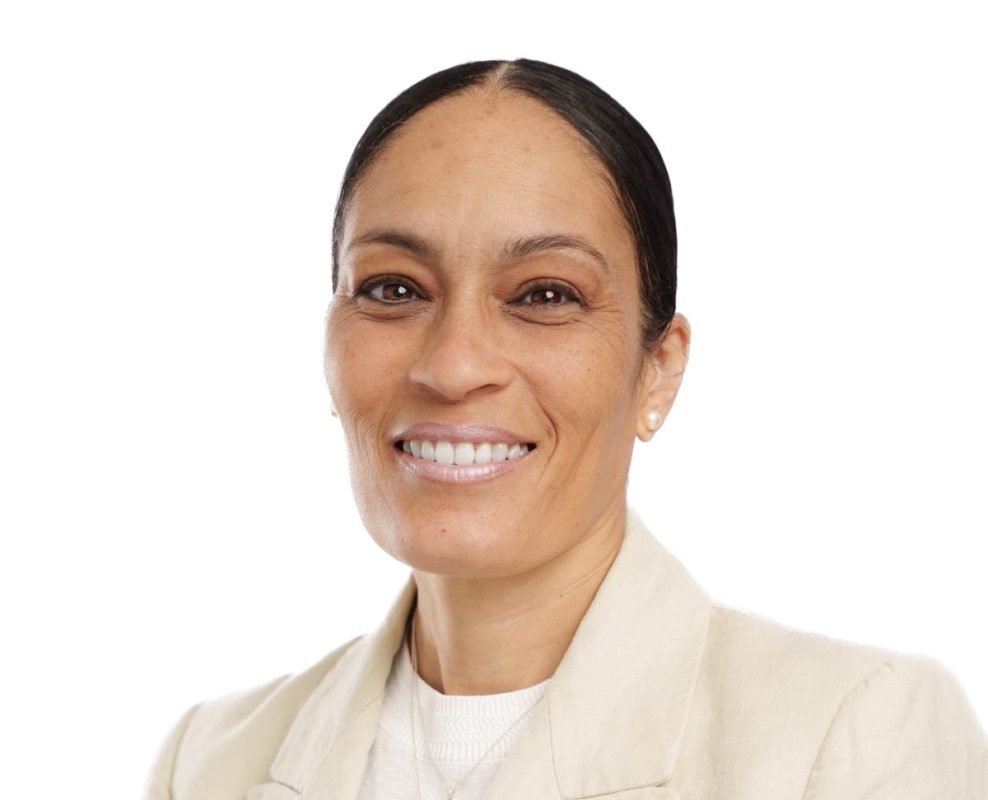
Azuree Williams is the programme manager at Bermuda Cancer and Health Centre. She sat down with RG Best Health to explain which cancers affect men the most, the symptoms they should watch for, and what screening and treatments are available in Bermuda. And, the good news is, the dreaded digital rectal exam may no longer be necessary.
The most common cancers affecting men in Bermuda are prostate, colorectal, lung and skin cancers. For skin cancers, she explained, even though the overall rates are higher in men, these tend to be basal cell (BCC) or squamous cell (SCC) carcinomas as opposed to the more serious melanoma. However, they still need to be treated straight away.
Skin cancer
BCCs and SCCs can appear as new bumps, lesions, red nodules or sores on the skin, scaly patches on the lip, or wart-like sores on or inside the anus or genitals.
In contrast, melanoma tends to be a large brownish spot with darker speckles; a mole that changes or bleeds; a small lesion with an irregular border and portions that appear red, pink, white, blue or blue-back; or a painful lesion that itches or burns.
For people of colour, Ms Williams warned, it could appear under their finger or toe nails as a dark line that gets darker and wider, or the palms of their hands or soles of their feet.
Regardless of skin colour, sunscreen and sun protective clothing is crucial to protect skin from these types of cancers because, she emphasised, “skin cancer is colour-blind.”
In Bermuda, people of colour tend to be diagnosed with late stage melanoma because, she said, they don’t believe skin cancer will impact them.
“Just because you have more melanin, doesn’t mean you’re not at risk for skin cancer,” she said.
In addition to checking their skin for symptoms, she also advised all men to start skin cancer screenings at a young age, especially if there is a family history, because skin cancer is most commonly diagnosed in people aged 20 to 29.
Prostate cancer
Most prostate cancers are slow growing so, in the early stages, symptoms may not be noticeable, so regular screenings are vital. If it is an aggressive type of cancer, symptoms could include trouble urinating, incontinence, blood in the urine, abdominal pain when urinating, or urinating regularly during the night when you haven’t drunk much.
Recommendations for prostate cancer screening vary depending on risk factors. The typical age to start is 50, however the rates are higher for Black men, so urologists may start screening at 40. For all men, it should start earlier if they have a family history of prostate cancer.
“We are seeing Black men under their 40s being diagnosed with prostate cancer locally, so if these men have a strong family history, having a first degree relative like a dad or brother, they should speak to their doctor about getting screened earlier.”
Screening for prostate cancer has also advanced.
“We now have the PSA (prostate-specific antigen) testing, which is a blood test,” she explained.
The Daily Male mobile-health clinic has made these screenings even more accessible by offering them for free.
Breast cancer
The percentage of men diagnosed with breast cancer is very low. Those diagnosed are primarily men with a strong family history, such as a mother who had breast cancer. Research has also found a connection between breast and prostate cancers in men.
If a man has either of these two risk factors, therefore, they should be checking their chest every month for new or unusual lumps in their breast area or under their armpits. They should also inform their doctor if there is a family history of breast cancer.
Colorectal cancer
Symptoms that could indicate colorectal cancer include blood in the stool and difficulty defecating. Sometimes however, “something just doesn’t feel right,” Ms Williams warned. “It could be something feels off about their body and they shouldn’t just dismiss it as, ‘Oh, it’s nothing. I’m just overtired or overworked.’ They should go and get it checked just to make sure.”
Like prostate cancer, however, the early signs of colorectal cancer might not be easily noticeable. Recommended screening in Bermuda starts at 45, but it’s good to know your family history and share it with your doctor, in case they want to start it earlier.
Traditionally, a colonoscopy is done to test for symptoms of colorectal cancer. For those who don’t have a family history, there is the option for “lab stool testing” as well.
Lung cancer
In recent years, lung cancer has been the third leading cancer diagnosis for men in Bermuda. Yearly lung cancer screening for people aged 50 to 80 who either smoke, or used to smoke and “have at least a 20 pack-year history of smoking” is recommended. A pack-year is equal to smoking one pack per day for a year. In order to be screened, current smokers have to receive counselling to quit.
Cancer treatment
Almost 95 per cent of cancer cases diagnosed in Bermuda can be treated in Bermuda, either at BCHC for radiation therapy, or at the hospital for chemotherapy and immunotherapy. But finding cancer early is crucial.
“Finding out there’s a problem sooner than later means you have a better chance of survival and a better chance of solving the problem quicker,” Ms Williams said.
She added that lack of insurance shouldn’t stop anyone from seeing a doctor.
“Many people worry about insurance coverage but there are doctors who work with their patients. They can do payment plans. Some do work pro bono. It’s good if the men are upfront and ask those questions to their doctors rather than putting off getting screened or checked.”
