
There are no raw statistics that point to a huge problem with underaged alcohol consumption in Bermuda, but that speaks more to the difficulty of compiling data on the topic than it does to the thing existing.
The fact is, there is a culture of underaged drinking in Bermuda – and most of us can testify to that fact from personal experience.
Between the ages of 14 and 18, I probably consumed more alcohol than I did throughout my thirties!
This is not hyperbole. I was over 6ft with beard stubble at an early age, so I was able to go straight up to the bar and buy drinks – carding wasn’t a thing.
That scenario alone shows why the statistics will never illustrate the extent of the underage drinking problem in any society. Who’s going to report that a 6ft, bearded 14-year-old was sold a drink at the bar? The bartender? The bar owner? The teenager’s friends? Good luck getting that data.
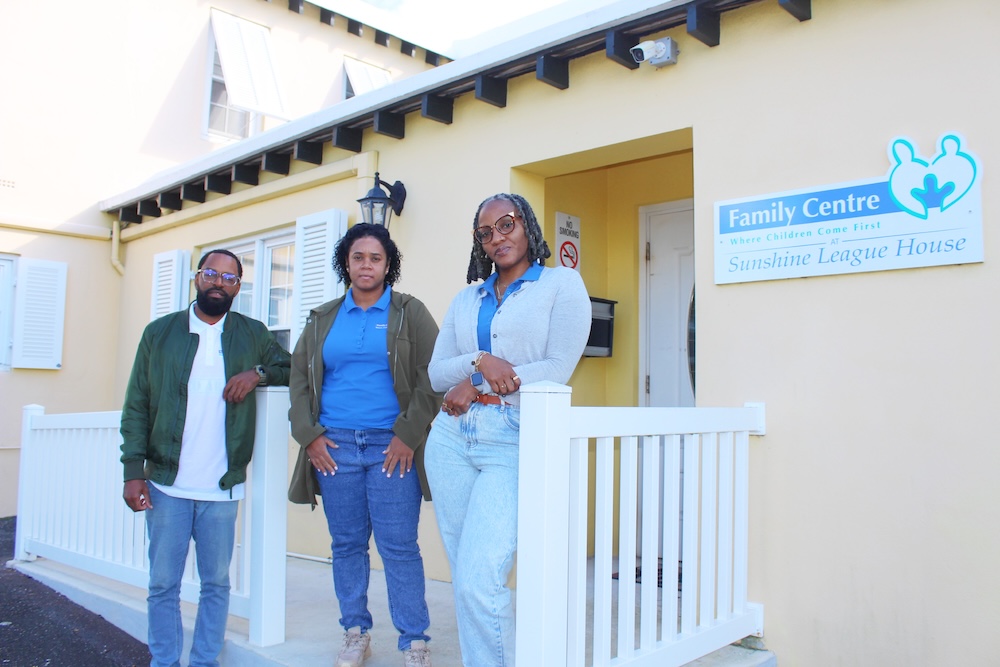
We spoke to the Family Centre about it. Senior family support specialists Raynisha Simmons and Ge’Von Greaves, and counsellor Carissa Darrell all see a definite problem with underaged drinking in Bermuda.
They cite the wider society that teens are often clamouring to become a part of – too soon in some cases – as a defining factor.
“Naturally, children and teens do what is modelled around them, whether what is modelled is intentional or not,” they said jointly.
“As such, because our culture is one where drinking alcohol is a social norm, as well as used as a way to celebrate, partake in holiday fun, or just pass time, this has resulted in underaged persons adapting this way of life.
“Additionally, because alcohol is easily accessible – especially around holidays and events – teenagers under the legal age to consume alcohol can be seen walking around holding various wine coolers which they may or may not have obtained from loved ones by merely passing through a camp spot, or areas where they may know people.”
Damaging effects
Sports clubs, holiday celebrations, Cup Match, Christmas, New Year’s, Good Friday … the list goes on and on – in Bermuda, alcohol is plentiful and readily available when the time comes to celebrate anything!
Teens gravitate toward this culture fast – in some ways, it is a part of being Bermudian. A very, very risky part.
The Family Centre said: “Because their brains are just developing, and aren’t fully developed until the age of 25, regular use of alcohol may interfere with brain development as well as an increased risk of addiction to alcohol and other drugs.”
Alcohol is BAD. There are copious amounts of data to show that. And the deleterious effects that alcohol has on the human body are even more dangerous at an early age, because it can prevent important physical and emotional development to occur – which will affect the entirety of the life ahead.
“Mental effects of consuming alcohol may involve having difficulty developing healthy coping skills to manage life stressors, as well as an increase in developing anxiety, depression and mood disorders.
“Alcohol consumption in underaged people can negatively impact their academics, as dehydration impairs memory function and concentration, so learning any new information and trying to recall memories will be impaired.”
There is also the shame that comes after doing things you might not have done if your inhibitions were not decreased by alcohol. This is a massive concern in adolescence: holding too much shame and guilt can directly contribute to the development of anxiety, depression and mood disorders in the coming adult years. This can be socially crippling at a time when you need to build your future.
The physical risks are considerable as well, as alcohol consumption can damage vital organs, particularly the liver and kidneys, disrupt hormonal systems, and increase tolerance – leading to higher consumption over time.
This escalation increases both mental and physical health risks, including alcohol poisoning and long-term chronic illnesses.
Damaging behaviour
Then there’s the anti-social behaviours that alcohol consumption can encourage in teens. The Family Centre continued: “Because the consumption of alcohol lowers inhibitions, as well as negatively impairing healthy decision-making, in underaged drinkers this is quite detrimental as their brains are not yet fully developed – with even a sober mind often needing support with fully understanding risks and consequences of their actions.
“As such, underage drinking may contribute to an increase in verbal aggression, destruction of property, violent behaviours, defiance of authority, theft, substance use and misuse.”
Parents, of course, must play a large role in helping their children avoid the pitfalls of underaged drinking. Being involved in your child’s life, ensuring they know they’re supported, wanted and valued will go a long way toward eliminating the need for alcohol.
The Family Centre offers more tips for concerned parents.
“Always be aware of your young person’s comings and goings. Ask questions, be curious about their friends, as well as their whereabouts. If you have easily accessible liquor in your home and you aren’t willing to lock it up or put it away, keep stock of what you have.
“We have all been teens and have found genius ways to access liquor if we wanted to. Monitor their phones and social media accounts. If you allow your young person to go out to parties, drop them off and pick them up, this way you can observe if they have engaged in underaged drinking.
“Things parents can look out for are poor stability in movements, slurred speech, glossy eyes and the smell of liquor on their breath. Have open and honest conversations with them.”
Talk to your children about alcohol consumption. Model healthy alcohol etiquette in the home and be very mindful of how much alcohol you consume when your child is present.
Lastly, if you can avoid it, don’t keep alcohol in the house. That small cabinet above the fridge is very definitely not going to keep your teen away from the spirits!
When the problem expands outside the home, helping organisations like Pathways and the Family Centre offer support to teens and families dealing with the problems that come with alcohol use at an early age. Give them a call.
