
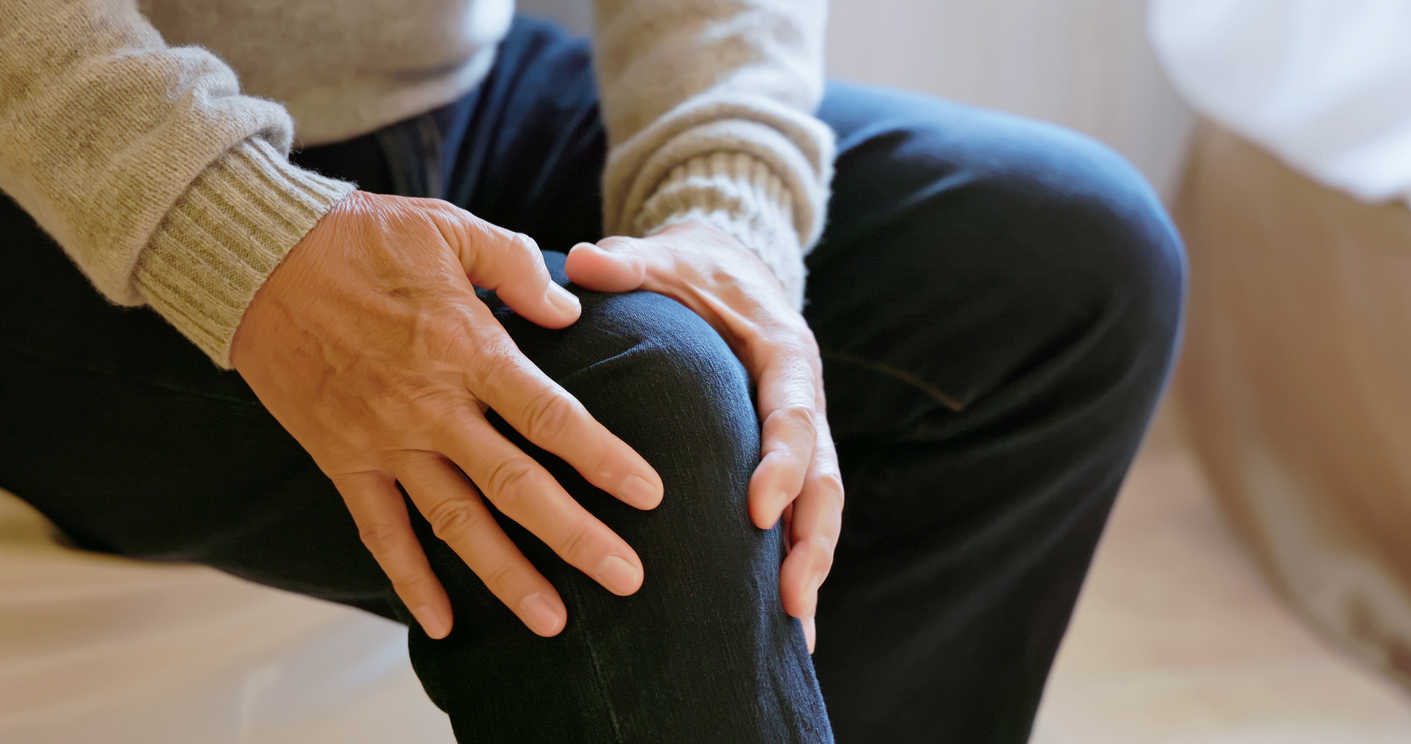
Arthritis is a major cause of disability among older adults everywhere – and with our ageing population, Bermuda is no exception.
In general terms, arthritis covers a wide range of joint disorders. The two most common types are osteoarthritis – often described as the “wear and tear” of the joints – and rheumatoid arthritis: an autoimmune condition in which the body attacks the joint lining.
In healthy joints, cartilage acts like a shock absorber, allowing bones to glide smoothly against one another. Osteoarthritis, where protective cartilage breaks down over time, typically affects hips, knees, and the small joints of the hands. The joint loses its smooth surface, leading to stiffness, pain and sometimes bony growths known as nodes, which are often seen at the ends of fingers.
In contrast, rheumatoid arthritis usually affects the smaller joints on both sides of the body, particularly the hands and feet, although it may also involve other organs.
Though there aren’t any published statistics detailing how many Bermudians live with arthritis, Age Concern Bermuda lists it among the most common illnesses faced by seniors. Meanwhile, global studies highlight it as a major contributor to disability in older populations.
The reason why it gets so much attention is that reduced joint mobility, and pain, can impair everyday activities such as climbing stairs, getting in and out of cars, or performing household tasks.
Just as important, mobility is necessary for staying connected, accessing services and participating socially.
Thankfully, treatment and support resources are available locally. Northshore Medical & Aesthetics Centre has a team of rheumatologists devoted to providing “diagnosis and treatments for autoimmune and inflammatory diseases that primarily affect the body’s musculoskeletal system — joints, muscles, tendons, ligaments”.
Management of arthritis is typically multipronged. For osteoarthritis, maintaining a healthy body weight, performing regular low-impact physical activity, doing strength and flexibility exercises, and protecting vulnerable joints are all recommended. For rheumatoid arthritis, early diagnosis is key and treatment may involve medications to control immune activity, physiotherapy, lifestyle support and surgery.
Age Concern provides support to seniors with arthritis through health checks and informational resources. It offers free health-screening events to help older residents detect mobility-limiting conditions early and connect with appropriate support.
Physical activity remains a cornerstone: strengthening the muscles around joints helps relieve pressure on the joints themselves, improving mobility and reducing pain. In addition, simple ergonomic adjustments – using tools to reduce joint strain, modifying tasks such as lifting or carrying, and keeping environments safe and accessible – make a real difference.
Diet also supports joint health. A balanced diet rich in lean proteins helps preserve muscle; meanwhile, whole grains, vegetables and healthy fats boost overall resilience and reduce stress on weight-bearing joints.
While much of the global evidence guides practice, its relevance in Bermuda is no less important given the shared risk factors of ageing, sedentary behaviour and obesity.
If you have persistent joint pain, stiffness or swelling, it’s advisable to consult a healthcare professional — ideally your GP or a rheumatologist — to assess which type of arthritis you may have and to outline an appropriate care plan.
With early diagnosis, targeted treatment, community support and healthy habits, it is possible to continue living active, engaged lives despite joint disease.
