
Age, they say, is just a number – and while that’s true, it’s a number that only goes up. Some try to defy the ageing process, but that process cannot be denied.
Perhaps, though, it can be better managed to help avoid the aches and pains that seem to worsen and linger as we grow older.
A GP at Island Health Services, Dr Hayley Morton, said there are a range of things that should be done while people are in their 50s.
First, it is vital that people get their annual physicals, where any issues can be spotted and dealt with quickly.
Making sure there is continuity of care with a regular GP is also important, so they understand a person’s health.
Exercise every day
“Heart health is particularly important for men as their heart disease risk is higher than women at this age. Everyone should know their cholesterol,” Dr Morton said.
“Equally, pre-diabetes may surface now. This can be picked up at an annual GP check. Better to know early to make small changes while it is reversible.”
Keeping your weight within a normal BMI range gets harder, especially as women go through the perimenopause and fat distribution changes, Dr Morton said.
Exercise is crucial.
“Try to avoid being sedentary. As well as 150 minutes of cardio a week, avoid sitting for long periods. Try to have a brief walk of just five minutes every hour or so, especially if you work from home.”
It is also important to add some form of balance training like stretching or yoga, which helps build strength and good proprioception, preventing future falls.
Watch out for stress
Many people in their 50s are now part of the so-called sandwich generation – caring for children as well as ageing parents – and constantly juggling those needs with their own and work.
Dr Morton said: “Try to balance stress. It is called ‘the sandwich generation’ for good reason. It can be a challenging time for many people. Don’t be afraid to reach out to your GP or a therapist. Some workplaces also offer access to employee assistance programmes.”
Taking care of yourself in your 50s means your 60s should be better – but that cannot be taken for granted. It is important not to stop exercising, physically or mentally.
Maintain friendships
One key area, suggested Dr Morton, is to stay socially connected.
“There is good evidence for social stimulation as another protective factor for dementia,” she said.
“Early use of hearing aids may have a role in reducing dementia risk. Seek out a hearing assessment proactively if you are concerned.”
Sleep is also important. Although it can be elusive as hormones change with age, where possible, ring-fence good sleep, Dr Morton said.
“Women may start to watch bone density more closely. Having a bone density scan will help monitor this.
“Again, be aware of the importance of strength training at this age. Make sure there is adequate calcium in your diet and keep doing weight-bearing exercise to maintain good bones.”
See your doctor regularly
In addition, stay active and stay connected with your GP, who will ensure you are up to date on immunisations as well as tests like an abdominal ultrasound for an aortic aneurysm.
She added: “Remember, not everyone is given the chance to age, so be thankful for the years enjoyed while trying to stay well for the years ahead.”
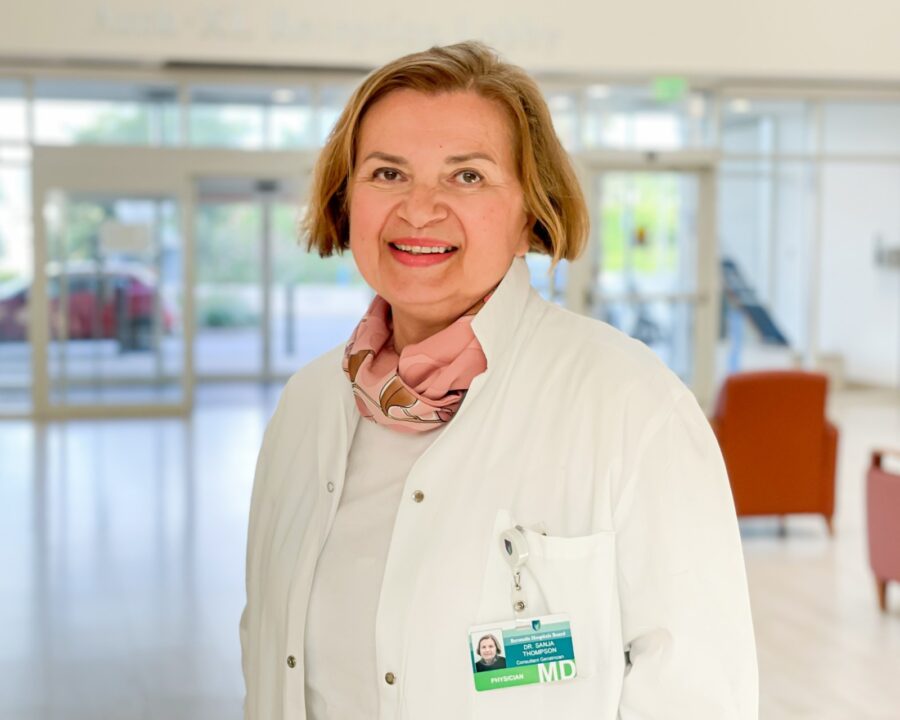
According to Dr Sanja Malbasa-Thompson, a consultant geriatrician at King Edward VII Memorial Hospital, the fastest-growing demographic group in Bermuda is the over-65s.
As a result, one of the biggest emerging problems in Bermuda is the increasing number of people now living with dementia.
What can be done to help?
“If we reduce alcohol abuse from a younger age, we massively reduce the risk of dementia in older age. Obviously, drugs as well – but alcohol is the most widely used. It’s important. Stopping smoking is also important,” Dr Malbasa-Thompson said.
It’s also important to keep the brain stimulated: older people might watch TV for prolonged periods, but they also need social interaction. Playing games, reading, keeping a diary – or journaling – also help, said Dr Malbasa-Thompson who added that learning a new skill can also be extremely beneficial.
“Hearing loss, particularly in older age, causes social isolation. If you can’t communicate, we can sometimes wrongly think that patients are depressed, disinterested or even cognitively impaired.
“It’s really important to check for hearing loss from the age of 55.”
Healthy diet
Cholesterol, Dr Malbasa-Thompson said, increases the risk of dementia by seven per cent. Vision loss also increases the risk.
“Check your vision for possible cataracts or macular degeneration.”
Exercise is also very important and, according to Dr Malbasa-Thompson, there was a study that looked at the effect of six months of aerobic exercise in older people.
“It reduced depression, increased verbal memory and cognition, and improved muscle mass, strength, and anaerobic capacity.”
A good diet should be implemented. “We know that people who eat, let’s say, a Mediterranean diet, with no processed food, have a healthier life.”
Dr Malbasa-Thompson added: “I think one of the main messages I would like to get across is that it is never too late to start physical or intellectual activities.
“Research has shown that if you start exercising in your eighties, you will have better survival compared to individuals who remain sedentary.
“If you combine all these behaviours – physical and mental activities – you will have the best results.”
