
Lack of time, cost and stigma are all reasons why women may suffer from issues such as stress, grief or depression in silence.
Thankfully, this is now changing with the increasing availability of telehealth services, which can either remove or reduce these barriers to seeking mental healthcare.
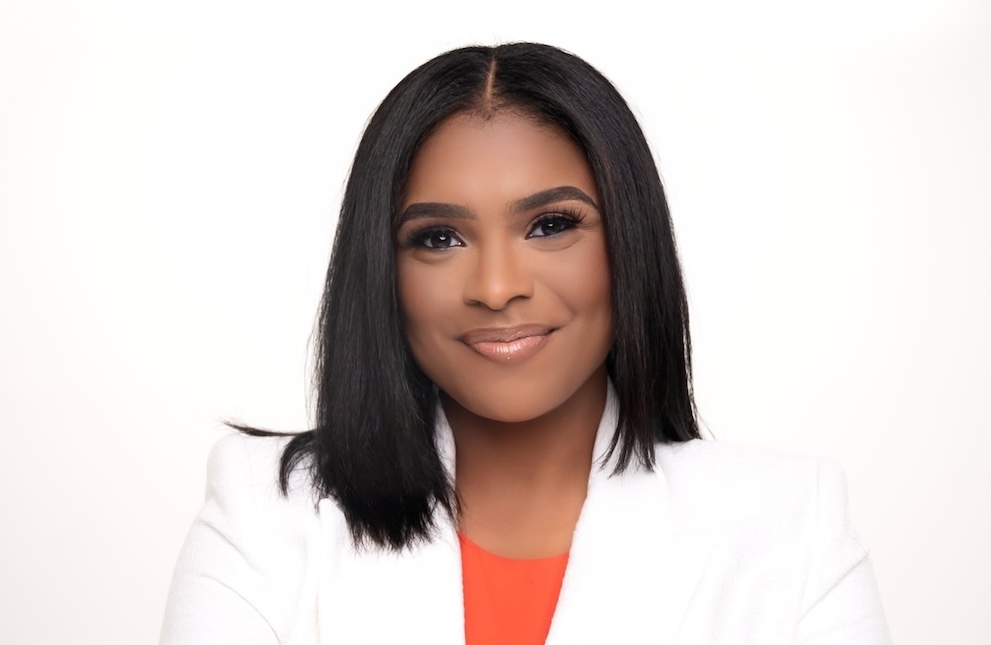
Telehealth pioneer and clinical counsellor, Dayla Burgess, founded TeleConnect Bermuda in October 2024.
She provides online counselling services to adults with mild to moderate mental health symptoms and has found her services to be in high demand from women aged between 25 and 45, many of whom are mothers.
“The women who are currently in my care now, most of them are mums,” Ms Burgess said.
“I think that’s the part of the service that works best for them is that they can etch out 45 minutes to an hour, which for some of them is really hard.
“I’ve had sessions where they’re new moms and they’ve had kids sleeping in the background or they may be on the ground playing with them while they’re in a session, and they’re able to stay focused and multi task.
“They really do find it accommodating to the things that they have to do within their week, especially if they’re working from home or have to remain home with their child.”
It’s not just at-home mothers who benefit from this service. It also makes it easy for busy working women to keep their therapy appointment.
“It takes less of a hassle and inconvenience out of people’s time and schedule, especially folks who are wearing lots of hats throughout the week,” she explained.
“If they can’t go into their office space during their lunch break, they go out to their car and spend 45 minutes to an hour in a session and they’re able to get back to work and they feel like they have had a reprieve for the week.”
Addressing stigma
Awareness around the importance of mental health care has increased, but Ms Burgess said a stigma still exists around therapy in Bermuda. Herein lies another benefit of attending online: you won’t bump into anyone you know.
“A lot of times, people, because of the stigma, will not present themselves to a bricks and mortar physical location.”
There are also cost benefits to online versus in-person therapy, and she’s found that even people with tight finances still have internet access.
“Mental health services or counselling still has a cost barrier associated with it and so folks who maybe can’t afford to be in the City of Hamilton, or drive into a physical location every day, most people do have Smart devices. Even if there isn’t data, they have Wi-fi at home.”
Ms Burgess, who also works in addiction medicine and recovery, cites research showing online services can also help these patients “because of the disabilities that people who have chemical addiction or chemical dependency issues are finding”.
Potential patients can book a complementary “discovery appointment” on the TeleConnect Bermuda website, during which they will learn more about the type of service provided.
“I use a therapy modality that’s called solution-focused brief therapy,” she said, which is “a set amount of sessions where you identify the problem, we set some goals around it and then we have sessions that look at pragmatic tools and ways of coping with what you’ve identified with”.
She added: “If it works for you, then we hit the ground running and we book our first session using a PIPA encrypted platform that keeps your data and all of your information safe.
“If that doesn’t work for you, I talk to them about the other services and what else is out there based on what their needs are because there’s a lot of other great clinicians out there that are also practicing online.”
Ms Burgess’s website includes a Therapist Directory of Bermuda-based mental health professionals including psychologists, child and adolescent counsellors, clinicians specialised in counselling men and boys, and a thanatologist who specialises in grief support.
In Ms Burgess’s experience, the most common mental health concerns Bermuda’s women tend to present with are high functioning depression, grief and loss, or relational issues.
For relational issues, this could be to do with their partner or relationships within their workplace.
“A lot of the tools that we’re tapping into have to do with how to assert oneself or how to have a stronger self-esteem. Asking for the pay rise or setting boundaries with someone at work,” she explained.
“A lot of it is relational and also connected to forms of grief and loss and also childhood traumas as well, because those things tend to present as we are taking on more roles and developing more relationships in our later adulthood.”
High functioning depression, she continued, “can look like someone who doesn’t know that they have depression because they are used to managing so many roles and suppressing symptoms that don’t look like textbook depression.”
She said: “Sometimes, someone can be so dysregulated that the dysregulation in their mood actually allows them to take on more things in their schedule and handle more tasks and options.
“They don’t notice that they could be managing a disruption in their mood until there is a period of stillness and then everything falls out from beneath them.”
Polyvegal Therapy
For example, a successful team leader, working for an exempt company, might be earning a good salary and can afford childcare.
But Ms Burgess said: “They are not satisfied or happy with everything that they are able to do or everything that they have achieved. They are climbing the corporate ladder and doing all the things at work, and at home. But when that person may have a chance to sit with themselves or gather with friends, or be outside of the family duties, or roles at work, there’s this underlying tension or feeling of disconnect that they can’t quite understand what’s going on.”
To help someone overcome this, Ms Burgess takes a trauma informed approach using the Polyvegal Theory.
“This talks about the mind and body connection to our nervous system and how the nervous system is really the epicentre for all of the emotional history and emotional experiences since we were babies,” she said.
“When we start to do a lot of excavating and timeline work, the person is able to see that, ‘I’ve been carrying a lot for a very long time and actually I’m just exhausted.’”
Online mental health services may not be for everyone but, in Ms Burgess’s experience, those who do use it, stick to it.
“The retention rates are really high,” she said. “And I really do believe that has a lot to do with the accessibility piece of it.
“Everyone has a Smart device. It’s just the way of our world. You could be without a place to live but you have a Smart device. When you have a Smart device and people are needing healthcare that is convenient, you can really access people a lot easier.”
For more information about TeleConnect Bermuda visit connectbda.com or call Dayla Burgess on 537-0734.
