
Hurricane season is a fact of life for Bermudians.
Every year from June through November, we prepare our homes, stock up on supplies and monitor weather forecasts whenever a storm approaches the island.
Though it is important to focus on our families and property, we should also prepare for the safety and wellbeing of pets.
From dogs and cats to horses, rabbits, gerbils and hamsters, hurricanes can cause animals stress and, in worst case scenarios, lead to injury or illness and separate them from the people who love them. Understanding the risks can help ensure every member of the family stays safe.
Dogs
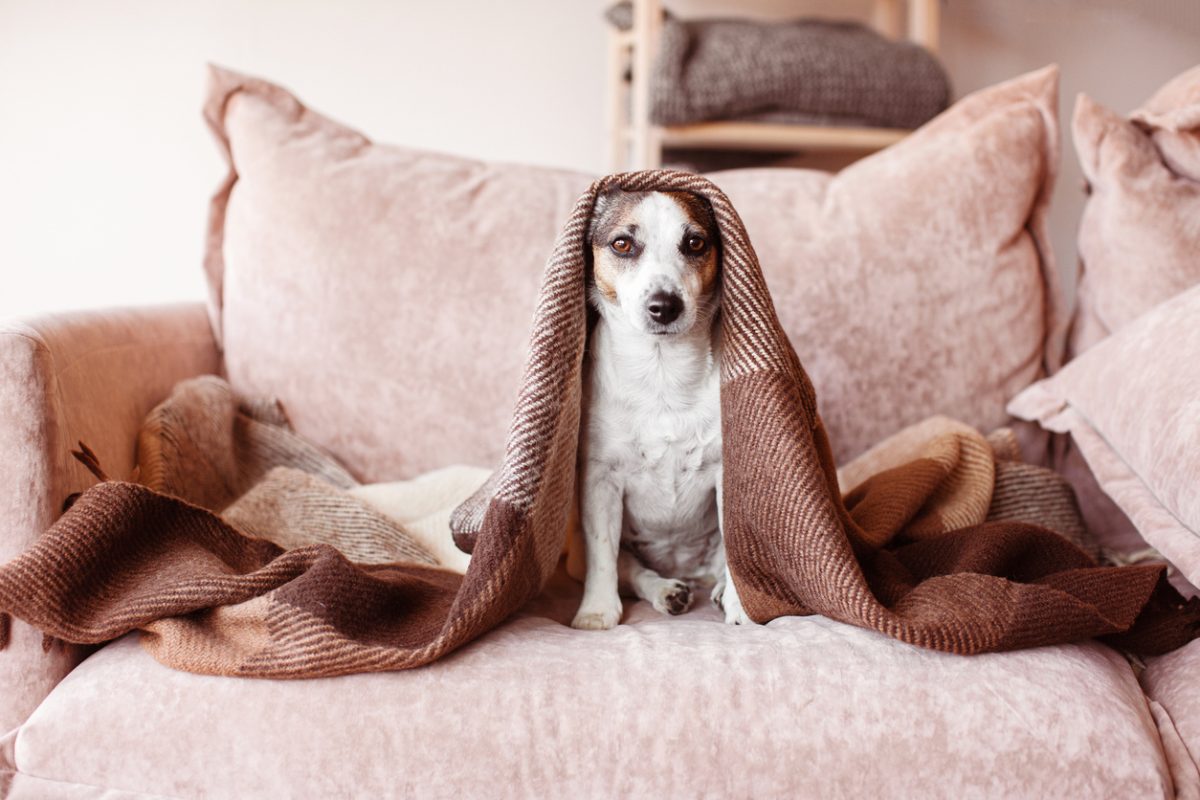
Dogs are often highly sensitive to approaching storms. Changes in air pressure, strong winds and thunder can trigger anxiety long before a hurricane makes landfall. During severe weather, frightened dogs may hide, pace, bark excessively or attempt to escape.
Although most dogs will be kept safely indoors during a severe storm, the period immediately before – and especially after a storm – can present risks.
The Bermuda SPCA advises that dogs should be microchipped and wear collars with up-to-date identification.
Damaged fences, broken gates and disrupted routines may create opportunities for dogs to escape once they are taken outside, while the unfamiliar sights and smells left behind by a hurricane can cause them to become disoriented.
Meanwhile, as Bermuda’s post-storm landscape can include fallen power lines, broken glass, roofing debris and contaminated standing water, dogs should remain on a leash until owners have fully assessed their surroundings.
Emergency preparedness is essential. Make sure you keep at least a week’s supply of food, bottled water, medications and veterinary records readily available.
Cats
Cats often react differently to hurricanes than dogs, but they are equally vulnerable. Many cats seek out hiding places when frightened, making it difficult to locate them quickly if an emergency evacuation becomes necessary.
Veterinarians and animal welfare experts recommend keeping cats indoors well before tropical-storm-force winds arrive. Cats should then be kept inside until storm conditions have completely passed and damaged areas have been secured.
Strong winds and flooding can alter familiar scents and landmarks, making it easier for cats to become disoriented and lost. In the aftermath of a hurricane, a frightened cat can quickly disappear into debris piles, damaged buildings or overgrown areas.
Horses
Horses face some of the greatest hurricane-related risks because of their size and housing requirements. Strong winds can damage stables, while flying debris can cause serious injury. Flooding may contaminate feed and water supplies and make paddocks unsafe.
For Bermuda’s equestrian community, hurricane preparedness requires careful planning. Owners should inspect stables before the season begins, secure loose equipment and identify safe sheltering options. If relocation is necessary, transportation arrangements should be made well in advance rather than waiting until a storm is imminent.
Even after a hurricane has passed, horses remain vulnerable. Damaged fencing, fallen trees, exposed nails and debris can all pose hazards. Waterlogged pastures may also conceal dangerous objects.
Owners should keep copies of veterinary records, identification photographs and emergency contact information in waterproof containers. Having a sufficient supply of feed, water and any necessary medication on hand is also critical.
Rabbits
Rabbits are particularly vulnerable during hurricanes because they are highly susceptible to stress. Loud winds, thunder and prolonged storm conditions can cause extreme fear, which in some cases may lead to shock or serious health complications.
Outdoor rabbits housed in hutches face additional dangers during hurricanes. Strong winds can damage enclosures, while heavy rain and flying debris may leave them exposed to injury and the elements. Because domestic rabbits are largely dependent on human care, owners should always bring them indoors before a storm arrives.
Once inside, rabbits should be kept in a secure carrier or indoor enclosure in the safest part of the home. Owners should also ensure they have at least seven days’ worth of food, water, bedding and any required medication available.
Veterinary services may be disrupted after a major hurricane, so it is advisable to keep medical records and emergency contact information readily accessible. Familiar toys, blankets and bedding can help reduce stress during extended periods indoors.
Gerbils and hamsters
Gerbils and hamsters face unique challenges during hurricanes. Their small size makes them particularly vulnerable to environmental changes such as fluctuations in temperature caused by prolonged power outages.
These animals can also become stressed by the noise and disruption associated with severe weather. Thunder, strong winds, generators and post-storm repair work may cause anxiety, making it important to keep cages in a quiet, secure area of the home.
Owners should ensure they have sufficient supplies to care for gerbils and hamsters during and after a storm, including food, fresh water, bedding and any required medication.
Road and store closures can make it difficult to replace essential items at short notice. Maintaining normal feeding schedules and daily routines as much as possible can also help reduce stress.
Preparation saves lives
One message is consistent across animal welfare organisations: pets should never be left outside to fend for themselves during a hurricane. Every animal, regardless of size or species, should be provided with a safe and secure environment before storm conditions begin.
For Bermuda’s pet owners, preparation means more than simply storing extra food. It means having carriers ready, maintaining current veterinary records, ensuring identification is up to date and planning for the possibility of extended power outages.
Hurricanes are an unavoidable part of island life, but with proper planning and responsible care, pets can weather the storm safely alongside the families who depend on them.
