
Bermuda’s non-profit sector thrives under the stewardship of women who lead with fervor, resilience and a profound commitment to societal betterment.
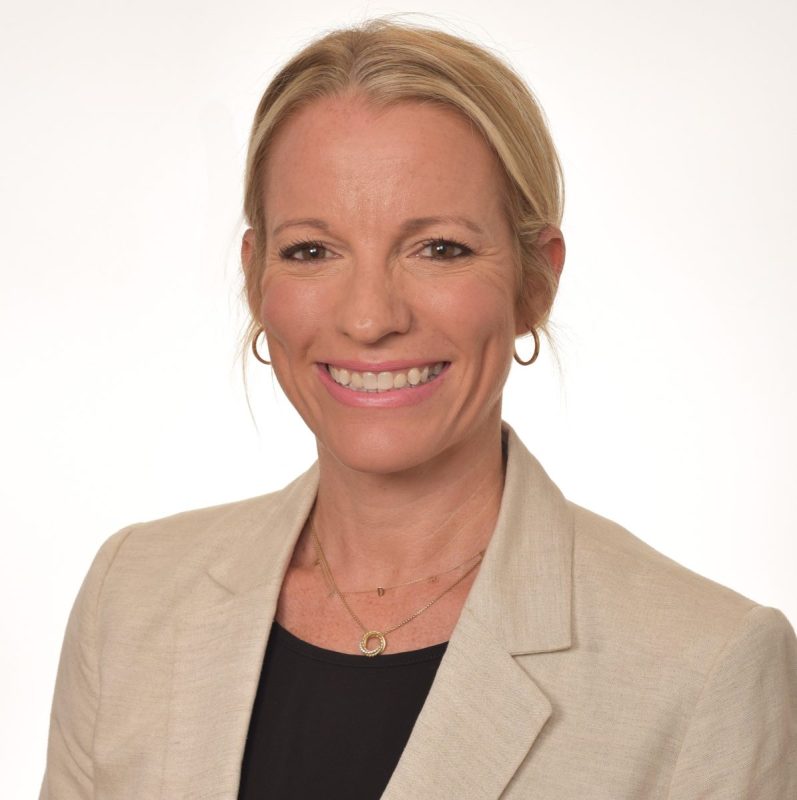
Among these remarkable leaders is Laurie Shiell, whose 18-year tenure as executive director of the Centre Against Abuse showcases a journey of compassion, strategic foresight and transformative leadership.
Still, the questions beckons: why is Bermuda’s non-profit sector comprised of a disproportionate number of women?
Mrs Shiell joined Nicola Paugh, executive director of the Nonprofit Alliance of Bermuda, to weigh in on the sector’s gender dynamics, illustrating the accomplishments and challenges faced by women in leadership roles.
Women leadership in non-profits
The NAB, under Dr Paugh’s guidance, serves as a hub for 78 charitable organisations, strengthening and unifying non-profit efforts across the island.
“What we consistently observe is that the sector is overwhelmingly run and delivered by women,” Dr Paugh reported.
“Across our membership, we estimate that approximately 80 per cent of non-profit leaders are women.”
This trend holds true in staffing patterns as well, with women making up 71 per cent of the non-profit workforce, according to data from the Centennial Bermuda Foundation.
These figures, while highlighting the dominant role of women in non-profits, also bring to light several significant challenges. Dr Paugh emphasised that the sector, though rich in female leadership, continues to struggle with systemic issues like underpayment and undervaluation — common pitfalls that disproportionately impact women and exacerbate gender pay disparities.
Bridging frontline realities
Mrs Shiell gives life to the statistics by describing her hands-on role at the Centre Against Abuse.
Each day’s work is as unpredictable as it is vital, as she manages a slew of non-profit leadership demands.
“I may begin the day with a clear plan of what I intend to work on, but that can change instantly if a client needs urgent support, such as accompaniment to the police station to make a formal report,” she said.
“My day may include attending court to support a client in applying for a Domestic Violence Protection Order or accompanying them during a criminal trial where charges have been laid.”
From drafting funding proposals and grant requests, to designing public awareness initiatives, and following up with the police and the Department of Public Prosecutions regarding clients’ cases, no two days are the same.
“This work requires constant flexibility, responsiveness and a victim-centred approach.” she added.
Far from seeing the dominance of women in leadership as a pressure, Mrs Shiell champions it as a responsibility and an advantage.
“Many women lead non-profit organisations in Bermuda because we are often deeply attuned to the gaps in our society and feel a strong responsibility to respond to them,” she said.
This role is not a burden but a privilege, one that involves “mobilising resources, building networks, and creating solutions where systems fall short”
The drive to protect, enhance and empower others, Mrs Shiell notes, is central to matriarchal nurturing.
Challenges and rewards
Mrs Shiell speaks candidly about the practicalities and emotional toll of operating in a sector where urgent needs clash with limited resources.
Yet, the challenges reinforce, rather than diminish, the value of the work.
Mrs Shiell said: “There are times when I am supporting clients through trauma and crisis while managing personal stress in my own life.
“Even in those moments, I must remain fully present, calm and compassionate, giving each client my complete attention and support.”
She maintained that carrying the weight of others’ experiences, while also maintaining professional boundaries and personal wellbeing, required constant self-awareness and resilience.
Despite these challenges, the work is “deeply meaningful” and “seeing clients and domestic abuse survivors regain safety, confidence and independence makes the emotional labour worthwhile”.
Impact beyond services
Mrs Shiell’s pride in her work is evident when she discusses the Centre’s broader impact.
By helping survivors achieve safety and stability there is a positive ripple effect — children witnessing healthy relationships, families breaking harmful cycles and broader cultural shifts towards respect and non-violence.
“Through CAA’s prevention and education programmes, professional training and advocacy, we help shape community norms toward respectful relationships, consent and non-violence,” she explained.
“We also impact the lives of children who now understand that they have a choice in having healthy relationships.”
Legacy of empowerment
Mrs Shiell began her career in human resources as a relationship manager, which helped prepare her for the multifaceted demands of non-profit leadership.
“I learnt how to truly listen to people, understand their needs and identify how I could help them thrive,” she said.
Today, she applies those principles to empower individuals facing crises, leveraging a deep understanding of human needs to guide her approach.
Her path to non-profit work is also deeply personal.
“I feel as if God was preparing me for this role all my life,” she said.
Her grandmother, Nona Simmons, endured domestic abuse in her childhood household but broke the cycle by intentionally teaching her children and grandchildren the importance of safe and respectful relationships.
“Every day, I strive to carry forward her vision,” Mrs Shiell explained. “The work I do honours my grandmother, whose hope was that domestic abuse would not continue with her offspring and descendants.
“Helping families break cycles of abuse and build lives grounded in safety, respect and choice is the mission I’ve dedicated myself to.”
Empathy and influence
The high number of women leading non-profits reflects society’s feminine values of care, problem-solving and community support, and underlines their commitment to empathy, resilience and social betterment.
Yet, passion alone can’t sustain these efforts.
Mrs Shiell and Dr Paugh said structural changes are essential, including consistent funding and equal recognition as corporate leaders.
“There needs to be a societal shift to recognise and respect non-profit leadership,” Mrs Shiell said. “Managing people, processes and resources requires the same skills as a CEO, yet often non-profits receive less acknowledgment and greater criticism.”
For the non-profit sector to thrive in the long run, acknowledging and valuing this expertise is essential.
