
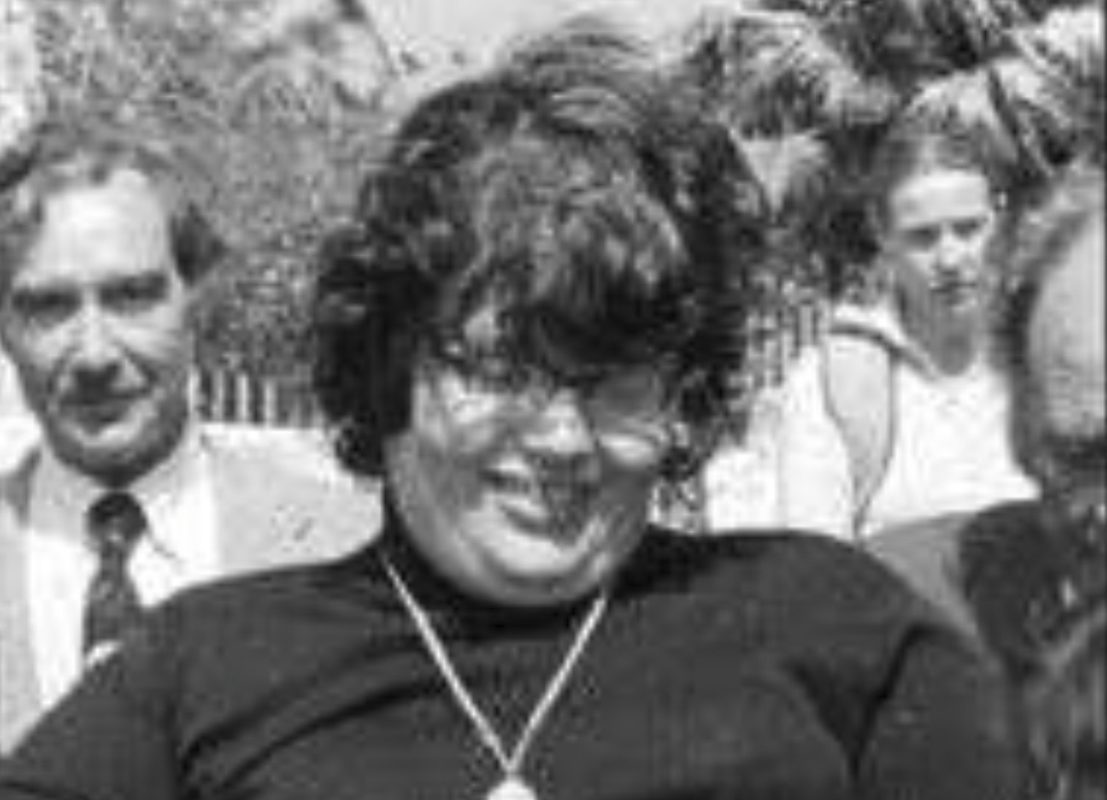
Margaret Carter’s relentless campaigning helped transform the lives of countless people with disabilities in Bermuda.
Ms Carter, the founder and president of the Bermuda Physically Handicapped Association, was a desperately needed voice for Bermudians with mental or physical abilities.
She was born with muscular dystrophy in 1939 – a time when disabled children were generally kept at home and hidden from public view – and was wheelchair-bound by the time she was 11.
Young Margaret went against the grain when she was accepted at Mount St Agnes Academy.
She spent her life using her education for the benefit of others less fortunate, and left a remarkable legacy including:
- Summerhaven residence for people with physical disabilities.
- Children with disabilities being mainstreamed into the regular school system.
- Protection for people with disabilities against discrimination, through amendments to the Human Rights Act.
- Ramps on the streets and improved access in buildings.
As a child and young adult, Ms Carter was strongly supported by her parents. Her father, George Carter, built a hoist to help her get in and out of bed; her mother, also called Margaret Carter, fitted the family car with a hydraulic lift so that she could get in and out of the vehicle more easily.
She continued her education through her 20s, studying English and history which laid the groundwork for a psychology degree later in life.
As she entered her 30s, however, she grew concerned about how she would cope when her parents were no longer around.
To establish a network of social contacts, she placed an advert in a newspaper, inviting disabled people to get in touch. Together with the people who responded, she formed the BPHA – a group which campaigned for better access to jobs, public facilities, education and transport.
After four years of campaigning, in 1974, the government relented to pressure and carried out a survey to find out how many Bermuda residents had disabilities. The wheels were finally turning, and over the next few years, government policies were put in place.
One of Ms Carter’s biggest triumphs came in 1984 when, following a huge fundraising campaign, Summerhaven was opened near John Smith’s Bay in Smith’s. It meant residents with disabilities could live in semi-independence instead of being institutionalised and stigmatised in hospitals.
Bermuda hosted its first Access Awareness Conference in 1983; the Human Rights Act was amended to protect people with disabilities in 1988; hydraulic lifts were added to buses in the 1980s; and the Government hired a specialist employment officer to support disabled people in 1990.
There were also many smaller, less heralded, advances thanks to Ms Carter’s work. Elevators were installed at Bermuda National Library and City Hall, for example, after she demonstrated how difficult it was in a wheelchair. A swimming pool was introduced at St Brendan’s hospital, to provide therapy for disabled people.
By the 1990s, the BPHA had about 150 members, including disabled and non-disabled people, and Ms Carter said they had begun “to ask for more things and to point out needs”.
Ms Carter died after a stroke in 1992, when she was 53. Access Awareness Week became an annual event for several years, organised by the BPHA every June to coincide with Ms Carter’s birthday.
In 2015, the Opportunity Workshop support centre, near the National Sports Centre, changed its name to the K. Margaret Carter Centre, in recognition of Ms Carter’s life’s work championing the cause of people with disabilities.
During Disability History Month last November, the Government heralded Ms Carter as it pledged support for the Disability Advisory Council and Ageing and Disability Services and work towards improving accessibility, enhancing services, strengthening accountability across systems and ensuring that persons with disabilities are fully included in public life.
- Sources for this article include The Royal Gazette archives and Bermuda Biographies.
