
For many students, access to college and university is dependent on financial means, but historically, most successful scholarship applications required a high grade point average. This led to many young people thinking post-secondary education was out of their reach.
The Centennial Bermuda Foundation has changed this by overhauling its scholarship model. Now, not only do they prioritise potential, resilience and motivation over an applicants’ GPA, but they also provide structured support through targeted outreach programmes. The ultimate objective is to make tertiary education the norm for every student who wants to pursue their studies or training beyond high school, regardless of background or economic circumstance:
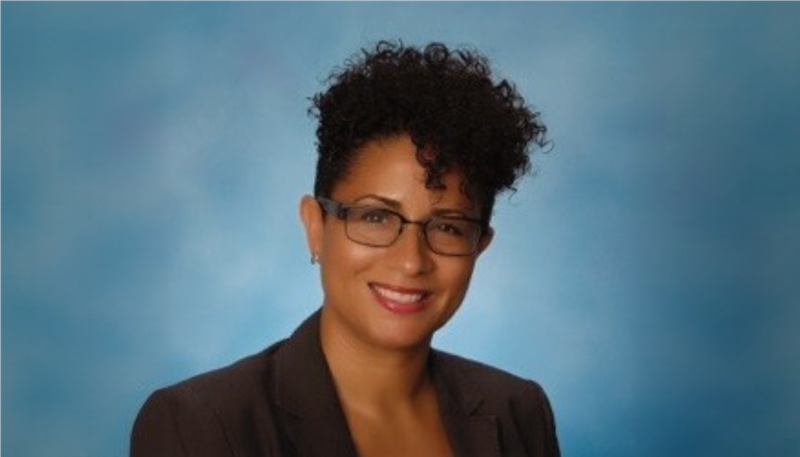
“Traditionally, scholarship models created barriers based on merit alone – high GPAs and academic achievement without context. That approach excluded talented students who hadn’t had access to the same opportunities,” explained Vivien Carter, Centennial’s director of philanthropy.
“Now, we prioritise financial need. We’ve lowered the GPA requirement, because we recognise that a 2.0 student with potential and the right support can absolutely succeed in post-secondary education.”
Support has also become a crucial component of this objective, and it isn’t just financial. Centennial Success Coaches, many of whom are former scholarship recipients themselves, volunteer their time to mentor first-year scholarship students and support their transition into higher education.
“We recognise that access is not only about getting to university, but about staying and succeeding once there,” Ms Carter said.
“Research consistently shows that students who have access to mentoring are significantly more likely to persist into their second year of study, with studies indicating up to a 50 per cent increase in first-year retention for mentored students.”
Break from the norm
For Bermuda’s students, the available support begins long before the scholarship application process kicks off.
To create a college and career-going culture among all students, Centennial has partnered with organisations such as PeerForward, the Department of Workforce Development, Bermuda public schools and Bermuda College. These relationships have helped Centennial to reach those that may not have considered applying to college or university.
This is particularly important for students who may not come from families where higher education is the norm.
“When no one in a household has attended college or university, higher education may not be a priority,” she explained.
“As a result, students may not see themselves as candidates for scholarships or for post-secondary study at all.
“This is why Centennial places strong emphasis on early outreach, going into schools, engaging students directly, and encouraging them to envision themselves on a post-secondary pathway. We aim to plant the seed that further education is possible and that opportunity is not reserved for a select few.”
PeerForward trains students to become mentors who in turn encourage their fellow students, or peers, to consider further education and scholarship applications.
“When students hear directly from other students who look like them and share similar experiences, the possibility of post-secondary education becomes tangible and attainable,” Ms Carter said.
Once a student has made the decision to apply, the application process itself can be daunting. Live webinars and in-person workshops during the application period provide guidance for both students and their families, along with the opportunity to ask questions.
Five scholarship categories are available from the Centennial Foundation, with a minimum of one scholarship awarded per category. The Undergraduate, Arts and Postgraduate Degree scholarships are for up to $35,000 annually for up to four years. The Community College and Skillup scholarships are for $35,000 annually for up to two years, however for the former, if the student attends Bermuda College, the award is $15,000 per year.
“Our support goes well beyond covering tuition. These are multi-year commitments,” Ms Carter said.
“That continuity matters. It means students aren’t forced to reapply or scramble for funding each year and can instead stay focused on learning, progress and completion.”
Grab your opportunity
The scholarship funding can also be used for living expenses, text books, visas, flights and other relevant costs.
“Covering the full cost of participation is especially important for students who might otherwise need to juggle multiple jobs or take on significant debt just to stay enrolled,” she added.
While it is still early, the results of Centennial’s revised scholarship programme model have been significant. In 2025, 30.5 per cent of all eligible scholarship applicants and 54 per cent of all scholarship recipients were the first generation in their family to go to college or university.
Moreover, the shift to a needs-based criteria and the organisation’s proactive outreach programme has also encouraged students with demonstrated financial need to apply for scholarships. In 2024, the average household income of eligible applicants was $77,814 and in 2025 it was $70,151.
“We are focused on ensuring that students from households with fewer financial resources know these opportunities exist and understand that they are meant for them,” Ms Carter said, adding that within the next five to 10 years, she hopes to see post-secondary planning “fully normalised across all Bermudian households, not limited by income, school type, or family history”.
To those students who may lack the confidence to apply for a scholarship, she encouraged: “We’re looking for your potential, not perfect grades.
“If you have the desire to pursue post-secondary education and you meet our eligibility criteria, we want to hear from you. The application process might feel intimidating at first, but you’re not in this alone. We’re here to guide you through it.”
She also advised all applicants: “Be authentic. We want to understand who you are, what drives you, and what you hope to achieve. Don’t try to write what you think we want to hear – tell us your real story.”
Ultimately, she said, the scholarship process will prove its success not just by how many students receive funding, but by how many complete their studies and “emerge as leaders, professionals, entrepreneurs and community builders in Bermuda”.
- Applications for the 2026 Centennial Bermuda Foundation Scholarships close on March 31. More information can be found on bermudascholarships.com and students can contact programme coordinator, Shannon Davis, [email protected] with any questions.
