
A shortage of long-term care facilities, rising healthcare costs, limited affordable housing, financial strain and rising cases of dementia – the list of challenges is racking up for seniors in Bermuda today.
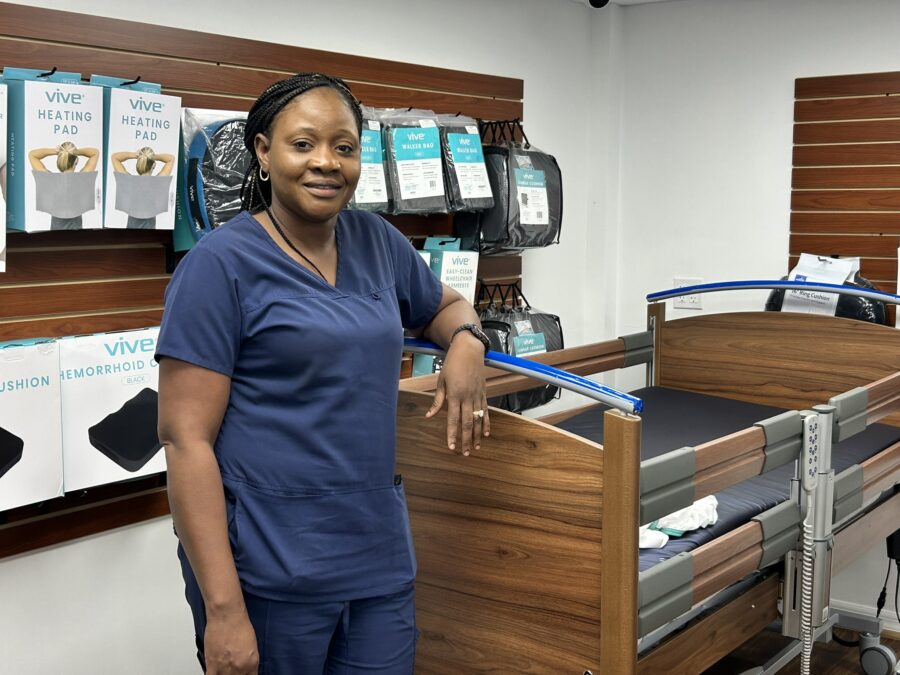
Prime Time 50+ sat down with Yana Swainson, home healthcare director at Bermuda In Home Care, to learn how her team is helping seniors remain in their homes safely, comfortably and with dignity, while addressing urgent issues affecting Bermuda’s aging population.
Filling a gap
After working for several years in the United States for Bank of America, managing health saving accounts, Ms Swainson was initially unable to find similar employment when she returned home in 2012.
Undaunted, she qualified as a nursing assistant and found short-term employment caring for a lawyer in her home.
This chance encounter, coupled with business skills she had acquired abroad, led Ms Swainson to realise that there were limited services available in Bermuda for patients with cognitive impairment due to dementia, Parkinson’s or a stroke. It inspired her to launch an in-home care business dedicated to meeting those unmet needs.
“People are living a lot longer these days and they want to stay at home,” Ms Swainson said.
“But it can be very difficult to sustain yourself if your memory is failing and you have outlived most of your relatives.”
Personalised services and care
No two individuals age in the same way, meaning that each in-home care patient has a unique set of needs shaped by factors including physical health, cognitive abilities, emotional wellbeing, family support systems and personal preferences.
“The first step with each new client is to meet with them in their home to learn about them as a person, assess their circumstances, and then I match them with a caregiver that I think will be suitable,” she explained.
Given the high demand for services, Bermuda In Home Care is usually not able to service random requests for one-time care or fill in for a privately engaged full-time caregiver on vacation.
“But once someone is a regular client of our company, we really do go the extra mile to meet their needs,” Ms Swainson said.
“In addition to all the usual services, this can also mean anything from taking them out for a drive in the car or helping them get to doctor’s appointments, to picking up groceries or medication, or assisting with meals.”
Making a home safe and accessible
“The difficult reality in Bermuda is that some landlords are not willing to allow any modifications to be made to a home which would ease the life of the senior dwelling there,” Ms Swainson said.
“In such instances we source removeable adaptive devices from Lighthouse Medical Supplies Ltd to aid living at home.”
Removeable devices available include: a wheelchair ramp to ease access to the property, walkers, removeable grab bars for the shower, and a medical bed to make it easier to care for someone who spends a significant amount of time in bed.
Supporting seniors through the dementia journey
Depending on the progression of an individual’s condition, Bermuda In Home Care staff help people manage independently by training them to use memory aids such as sticky notes and calendars. In more advanced cases, the caregiver’s primary task is to focus on keeping the individual safe.
“Dementia is a huge concern in Bermuda. I am constantly telling my staff about training and continued education in dementia care,” Ms Swainson said.
“You would be surprised how many families don’t know how to care for their loved ones with dementia.
“It’s especially sad when spouses live together and both have early on-set dementia or one spouse has early on-set, and the other has moderate to severe cognitive impairment.
“Often these people have no children and want to remain at home, but in reality they should be in a nursing home or have 24 hours in homecare service.”
Managing the financial cost
The cost of in-home care can mount up quickly, particularly for complex cases.
As much as everyone wants to live independently in their own home, some people would be better off living with two or three friends or relatives with similar conditions and sharing expenses. This enables one caregiver to perform a daily check to ensure that everyone is fed, bathed and receiving all their medications, greatly easing loneliness as well as the mental, emotional and financial strain for everyone.
Questions to ask when seeking in-home care for cognitive impairment:
- What experience do your caregivers have with clients living with cognitive impairments or dementia?
- Do your staff receive ongoing training in dementia care?
- How do you match caregivers with clients?
- How do you assess the individual needs of someone with cognitive impairment?
- What factors do you consider when creating a personalised care plan?
- How often are care plans reviewed and adjusted?
- How do your caregivers ensure safety in the home, particularly for clients who may wander or become confused?
- Do you offer guidance or support for adapting the home environment to suit cognitive needs?
- Will the same caregiver work with a client consistently?
- What steps do you take to build trust between caregiver and client?
- Will loved ones receive regular updates on the client’s care and wellbeing?
As Bermuda’s aging population continues to grow, the need for reliable, personalised in-home support has never been greater. Services that offer compassionate, consistent and adaptable care can play a vital role in helping older adults maintain their independence, safety and dignity.
For more information, visit https://bermudainhomecare.com, or contact Yana Swainson at 705-4424.
