
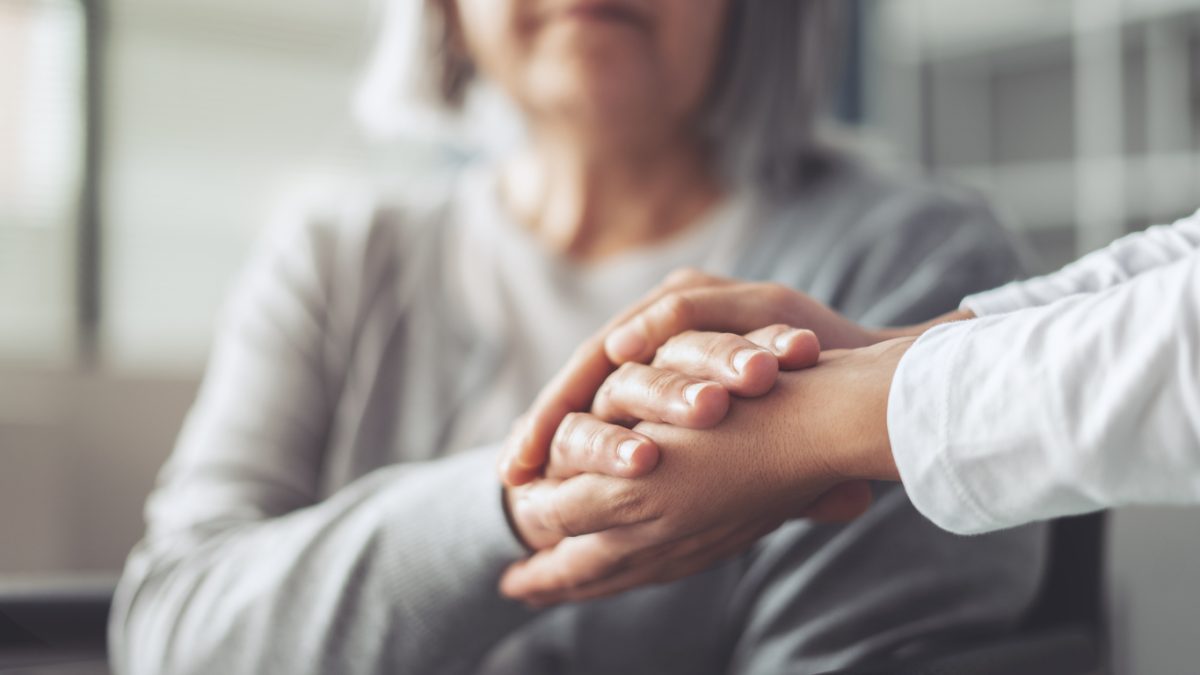
Many people associate caregiving with hands-on personal care, such as helping someone bathe, dress or eat.
But whether you’re supporting someone with cancer or any other illness, caregiving extends far beyond that.
The person who drives an ageing parent to appointments, organises medication, prepares meals, manages bills or simply checks in every day to make sure a loved one is safe may also be a caregiver, even if they have never thought of themselves that way.
The reason for that, is that the role develops so gradually that people don’t realise that they have stepped into it, explained Hayley Francis Cann, a client services associate at Age Concern Bermuda.
“What begins as helping with groceries or transportation often evolves into managing increasingly complex responsibilities,” she said.
“Most people simply see themselves as being a devoted spouse, adult child or friend, rather than someone undertaking a caregiving role.”
As those responsibilities grow, many people find themselves struggling.
“Many caregivers are balancing employment, raising children and supporting ageing parents at the same time,” Ms Francis Cann said.
“Coordinating appointments, understanding available services and making long-term care decisions can quickly become overwhelming.”
One of the biggest concerns is that caregivers often neglect themselves while looking after everyone else.
“It happens gradually. By the time the day ends, there is often very little time or energy left for exercise, social connections, hobbies or even booking their own medical appointments,” she said.
“Self-care isn’t ignored because it isn’t important; it simply gets pushed to the bottom of an ever-growing to-do list.”
Many people also struggle because they are unsure where to find support.
“They may not know what services are available, assume they won’t qualify, or feel they should be able to manage on their own. As a result, many continue carrying an increasing load until they reach a point of exhaustion, rather than accessing support earlier when it could make the greatest difference.”
Burnout often develops slowly. Early signs include constant fatigue, difficulty sleeping, increased irritability, withdrawing from friends and activities, experiencing anxiety and feeling low.
Ms Francis Cann encouraged caregivers to seek support before reaching a crisis point.
“Even small breaks, maintaining routine medical appointments, staying connected with supportive friends and making time for activities that restore energy can make a significant difference,” she said.
“Age Concern Bermuda offers information, guidance, education seminars, community programmes and referrals that help individuals navigate the challenges associated with ageing and caregiving.”
The cancer charity Pals Bermuda provides invaluable support to cancer patients and their families. Organisations suchas Bermuda Health Council, long-term care homes daycare and respite initiatives, other local charities and faith communities also play an important role in ensuring caregivers do not feel they have to face these challenges alone.
Ms Francis Cann acknowledged that asking for help is not always easy in Bermuda.
“Cultural values such as independence, resilience and taking care of one’s own family are deeply rooted and are often a source of strength. However, these same values can sometimes make it difficult for caregivers to seek support.”
Practical help from relatives, friends and employers can make a significant difference.
“Preparing a meal, providing transportation, helping with paperwork, sitting with a loved one for a few hours or offering flexible work arrangements can reduce stress considerably. Sometimes the most valuable question we can ask a caregiver is, ‘What can I take off your plate today?’”
