
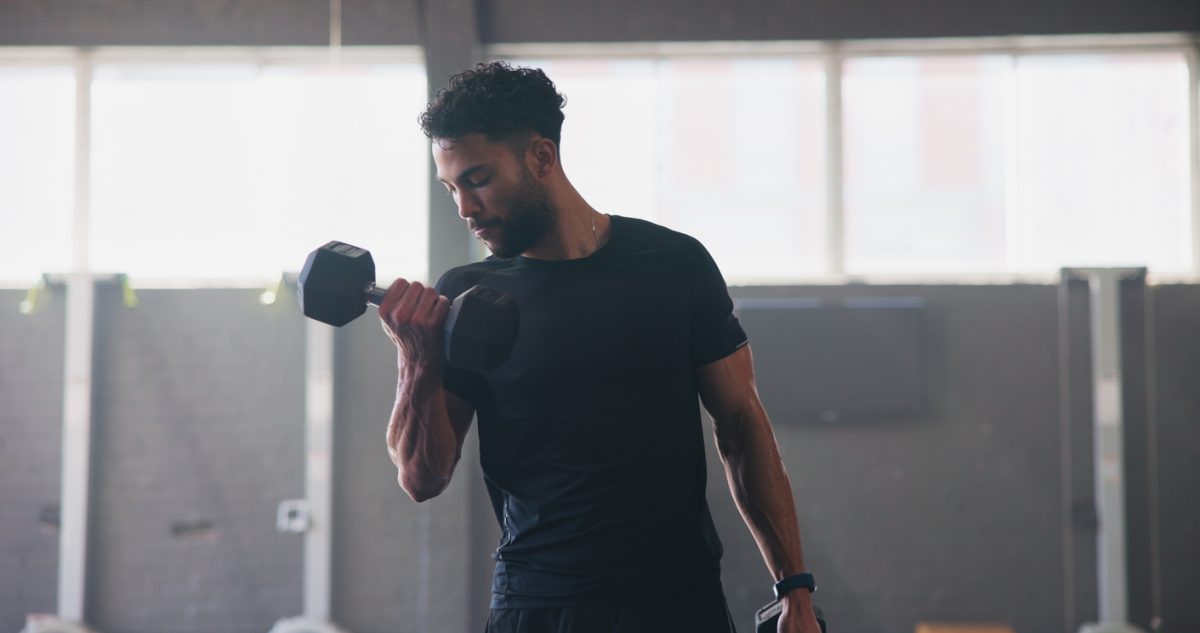
The man who spends eight hours on a construction site and the man who spends eight hours at a desk may seem to have little in common.
One is constantly moving; the other may barely leave his chair. Yet both can end up with aches, pains and posture problems.
Betty Doyling of B Active for Life believes it is because they often make the same mistake: they separate fitness from everyday movement.
“When people think about fitness, they’re always separating it from everyday life,” she said. “But the trick of it is however we move from day to day, it affects our health.”
People in physically demanding jobs often assume that hours spent lifting, pushing, pulling and working in the heat amount to a workout. But physical labour, Ms Doyling said, is different from exercise designed to build strength, improve movement and protect the body.
After 15 years as a certified personal trainer, working with everyone from labourers to office workers, she knows changing that mindset is easier said than done.
It is an ongoing debate she has with a baggage handler at LF Wade International Airport, who insists the job provides all the exercise she needs. Ms Doyling disagrees.
“It is strengthening somewhat, but you’re not learning the correct form, you’re just yanking it. You’re not using your core, you’re just trying to get the job done,” she said.
She offers a similar warning to construction workers and other labourers: bending to lift heavy objects without engaging the muscles that support the spine increases the risk of injury.
Repetitive movements can also take their toll. Over time, favouring one side of the body, reaching with the same arm or lifting awkwardly can lead to wrist, elbow and shoulder injuries. Learning to use the legs and hips instead of relying solely on the back or upper body can help reduce that strain, Ms Doyling said.
Build your core strength
Core strength is where she starts with many clients, regardless of whether they work behind a desk or outdoors.
“A strong core helps protect the back,” she explained.
For labourers, that means building strength in the muscles that support the spine, as well as in the arms, legs and hips. The aim is not simply to lift heavier weights in a gym, but to help the body cope with the demands of work and reduce the risk of injury from poor movement patterns.
Office workers face a different problem. Tight hips, weakened glutes and rounded shoulders are all common complaints among people who spend eight to ten hours a day sitting in a chair.
“Your body adapts to whatever you do most,” Ms Doyling said. “If you’re spending most of your day sitting, then your body is just sufficient at that.”
Short walks, regular breaks from the desk and a consistent strength-training programme can help counter some of those effects. Men in particular, she said, often struggle with hip mobility and posture after years at a desk.
Her focus with clients is strength rather than cardio. While cardiovascular exercise has obvious benefits, maintaining muscle is essential for people to function well as they age because strength supports balance, mobility and resilience. The point is to make movement safer, whether that means learning how to brace before lifting, waking up the glutes after years of sitting, or correcting habits before they become painful over time at work and home.
“Strength is basically the building blocks of your muscle. You have to strength train,” she said. “If we have a fall and we have muscles, we’re not just going to break into pieces.”
Act now!
For many middle-aged men, fitness becomes a priority only after something goes wrong. She recommends strength training at least twice a week, beginning with the core.
“Most women work out because they want to lose fat,” she said. “Men, a lot of their focus tends to [come only] after something happens.”
Back pain, knee problems and high blood pressure are often what finally prompt a trip to the gym. Even then, exercising without instruction can create problems of its own.
Trying to lift too much weight too quickly is among the most common mistakes Ms Doyling sees. Skipping warm-ups, ignoring mobility work and relying on the same routines year after year can stall progress and increase the risk of injury.
“Their ego gets in the way of proper form,” she said.
Too often, men train only the “mirror muscles”, prioritising chest, arms and shoulders while neglecting the muscles that provide stability and support.
Strong legs and glutes are just as important, Ms Doyling said. Long hours sitting or bending over at work can weaken muscles and affect posture and mobility. If those imbalances are ignored, discomfort can build gradually until it interferes with ordinary movement.
Many men assume they already know enough and resist changing their routines. But bodies adapt, and what worked years ago may no longer deliver benefits. Her advice is simple: ask for help before pain forces the issue.
Her clients are guided according to their individual needs, including whether they spend their work hours seated or in physically demanding jobs. Designing workouts around how people move during the day is part of the process. Group classes, combinations of weights and cardio and different forms of exercise can all challenge the body in new ways.
“Our bodies are wanting change,” she said. “Consistency matters more than perfection.”
