
Retirement can sometimes mean leaving behind more than a job. For many people, it also means losing the daily social interactions and friendships that come with working life.
Those connections don’t just help pass the time – they protect our mental health, reduce anxiety and depression and can even improve our physical longevity.
Yet making new friends can feel like a new challenge later in life, especially after years of moving within the same social circles.
Since 1990, residents have turned to the Lifelong Learning Centre at Bermuda College for opportunities to meet people, learn new skills and enjoy activities they might not otherwise have tried.
The centre caters to people aged 55 and older, offering a range of educational and recreational activities that keep them physically active, mentally stimulated and, importantly, in touch with others.
Sylvia Shorto, the centre’s executive director, believes its success shows how shared interests can lead to lasting friendships.
People from different backgrounds, who might otherwise never have met, often join because an activity appeals to them, but keep coming back for the company of others.
Whether it’s learning French, playing bridge or taking up painting, having something in common is often enough to get a conversation started.
Ms Shorto says making friends becomes harder as people grow older because they become more individual in their interests and ways of doing things.
Natural connections
There is no formal effort to match people up or encourage friendships. Members simply get to know one another as they spend time together. Someone attending a knitting class, for example, might ask the person sitting next to them how they managed a particular stitch. From there, the conversation develops naturally.
Of course, walking into a room full of strangers is not easy for everyone.
Ms Shorto says some of the centre’s more hesitant members are initially encouraged to attend by family members who think they would benefit from getting out of the house and meeting people.
Once there, having an activity to concentrate on can make the experience less daunting. Rather than having to find something to talk about, they already have something in common with other people in the room.
And there is certainly no shortage of things to try.
The centre’s autumn programme has 52 class listings, with activities ranging from yoga, Pilates and Zumba to archery, genealogy, mah-jong and botanical illustration.
There is even a Belly, Bolly, Bhangra class, combining dance movements with music from Asia, while those who prefer something less energetic can join a knitting and crochet club or try their hand at painting.
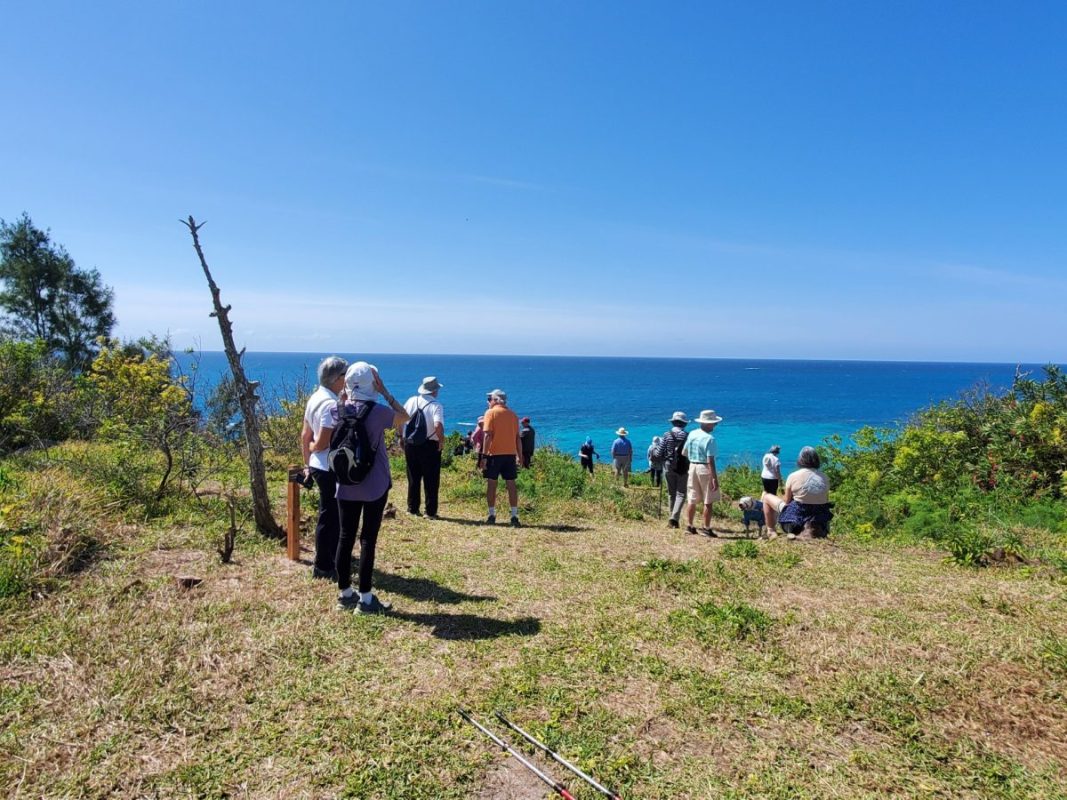
For those who enjoy being outdoors, the rambling club organises walks around the island. Another group, called Short Circuits, offers shorter, gentler outings for those looking for an activity that isn’t so demanding.
There are opportunities to learn French or Spanish, play bridge, sing or take up the ukulele. A film club brings people together to watch movies, while a series of talks and lunches offers a chance to hear speakers discuss subjects of interest.
Some classes are for beginners, others for those with more experience.
Ms Shorto says the variety is deliberate. Someone who studied French at school might decide to improve their language skills, while another person might discover an interest in music or art that they never had time to explore while working.
Quality of life
The classes are not intended to lead to qualifications. The idea is to enjoy learning something, with the added benefit of spending time with others.
The centre also organises outings and special events, giving people opportunities to socialise away from their regular classes.
It is a non-profit organisation whose members help decide what activities should be offered. Some also teach classes themselves, passing on skills and knowledge they have acquired over the years.
The centre’s mission is to improve seniors’ wellbeing and quality of life by providing affordable access to programmes that promote physical health, cognitive function and social connection.
Courses generally run for between four and 12 weeks, beginning in September, January and April. Annual membership costs $30, with additional charges for individual activities.
Although the centre is particularly suited to people who have retired, members do not have to be retired to join. Some are still working, while others have been retired for years.
For someone approaching retirement, it is worth considering how much of their social life revolves around work. Colleagues may have become good friends, but seeing them regularly is easier when everyone is in the same place five days a week.
Once that routine ends, keeping in touch requires more planning. A coffee or lunch that once happened without much thought may have to be arranged in advance.
Retirement does, however, free up time for things that were put aside during years of working and raising a family. Someone who enjoyed painting or playing music when they were younger may finally have the chance to take it up again.
And there is no reason to stick to what is familiar. The centre’s programme includes beginner classes for people who have never tried an activity before, as well as groups for those who want to improve their skills.
For anyone who finds the idea of joining a group daunting, a class built around a common interest offers a way to get to know others.
As observed by Ms Shorto over the years: people may join because an activity interests them, but it’s often the friendships they make that keep them coming back.
For more information about the Lifelong Learning Centre, telephone 239-4029 or e-mail [email protected]. The centre is based in Brock Hall at Bermuda College.
