
Not so long ago, the idea of a household robot sounded more like science fiction than reality.
When The Jetsons first appeared on television in 1962, Rosie the Robot was the family’s mechanical maid, cheerfully taking care of the housework in a future that seemed a long way off. Decades later, Pixar gave us Wall-E, a rather more endearing robot tasked with cleaning up an abandoned, rubbish-covered Earth.
More than 60 years after Rosie first picked up her feather duster, household robots have arrived, although not quite in the form The Jetsons imagined.
Rather than one humanoid machine doing everything, today’s robot helpers tend to specialise. While you’re at work, grocery store or the beach, they’re vacuuming your floors, mowing your lawns, cleaning windows, scrubbing swimming pools and even emptying your cat’s litter tray.
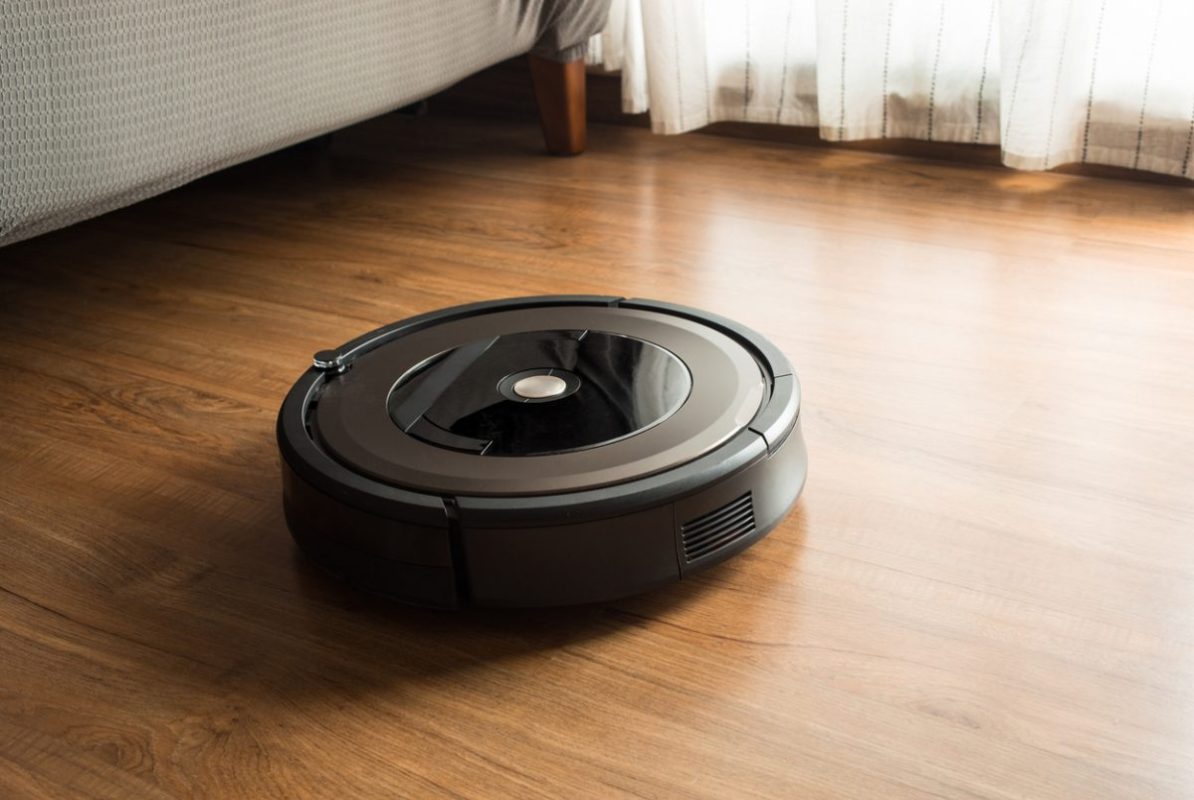
Robot vacuum cleaners are perhaps the most familiar example of how far the technology has come.
Early models had a reputation for wandering aimlessly around rooms before becoming trapped beneath sofas or tangled in charging cables. There were more spectacular mishaps too. In 2016, a family’s Roomba famously encountered a puppy’s overnight accident and, rather than avoiding it, proceeded to spread the mess around the house.
Today’s machines are considerably smarter. They use lasers, cameras and sensors to map homes, recognise obstacles and distinguish between carpets and hard floors. The best can navigate tight spaces and avoid obstacles such as extension cords, although even today’s models work better if clothes, toys and other objects are picked up before they start.
Keep it tidy
Consumer Reports, a US organisation that independently tests and rates products, puts robot vacuums through their paces in a miniature apartment containing the kinds of hazards they encounter in real homes. Technicians track their movements through several rooms and see whether they become trapped by cords or carpet fringe, can manoeuvre under furniture and successfully find their way around obstacles. They also test how well each machine picks up debris from carpets and bare floors, as well as pet hair.
Susan Booth, Consumer Reports’ lead vacuum test engineer, said the machines perform best in relatively tidy homes.
“Robotics are best for uncluttered rooms with bare floors or low-pile rugs,” she said.
Prices vary enormously depending on how much work you want your robot to do. At the more affordable end, the eufy Clean L60, available from Amazon and Target for approximately $200 to $250, offers laser-guided vacuuming without many of the extras found on premium machines.
Move up to the iRobot Roomba j7+, at around $399 to $599 from Amazon or Best Buy, and AI helps the machine recognise and avoid obstacles such as power cords and pet waste, while its dock automatically empties the dustbin.
For those who want to outsource mopping as well, the Roborock Qrevo S, about $650 to $799 from Amazon or Best Buy, has spinning mop pads that lift when it reaches carpet and a dock that washes the mops after use. At the luxury end, the Ecovacs Deebot X8 Pro Omni, approximately $999 to $1,200 from Amazon or Ecovacs, uses a roller mop that continually cleans itself while scrubbing hard floors.
Despite all those advances, Consumer Reports says robot vacuums are still better viewed as a complement to regular vacuuming than a complete replacement for it. Its testing found the machines useful for “regular touch-ups and spot-cleaning”, but traditional upright and canister vacuums remain more powerful.
For many households, the appeal is having a machine that can keep on top of everyday cleaning with relatively little input.
Outdoors
For anyone who loves that idea, today’s robots are taking on jobs beyond the living room.
Robot lawnmowers have become increasingly sophisticated. Rather than waiting for the grass to become overgrown, they trim a little every day, producing tiny clippings that naturally fertilise the lawn.
Many premium models use cameras, GPS and satellite navigation to find their way around lawns and avoid obstacles with little human intervention. Ideal for keeping that Bermuda cane grass at bay!
One example is the Mammotion Luba Mini 2 AWD, which costs approximately $1,399 to $1,599 and is available through Amazon and Home Depot online. Its all-wheel-drive system is designed to cope with uneven terrain and slopes, while two cutting discs tackle the grass without the need for a perimeter wire.
Window cleaning is another chore being handed over to machines.
Robot window cleaners cling to glass using powerful suction before methodically working their way across the surface. The Ecovacs Winbot W2S Omni, available from Amazon and Ecovacs for approximately $550 to $650, uses spray nozzles to wash the glass and includes a safety system designed to keep it attached while tackling large or difficult-to-reach windows.
Pool owners are also discovering robotic helpers.
Robotic pool cleaners can vacuum debris, scrub floors and, depending on the model, climb walls and clean the waterline automatically.
The Dolphin Escape, costing around $650 to $700 and available through Amazon, uses tracks and an active scrubbing brush to tackle dirt and debris on pool floors.
The cordless Spino E1, meanwhile, costs approximately $699 to $799 on Amazon and is designed to clean the floor, climb walls and tackle the waterline without a power cable trailing behind it.
Pet owners have their own growing selection of robotic assistants. Automatic litter boxes use sensors to detect when a cat has finished before separating waste into a compartment, while robot vacuums can quietly collect pet hair every day before it has a chance to accumulate.
Robots aren’t yet completely hands-free — or foolproof.
Filters still need replacing, brushes need cleaning and waste containers need emptying. Sensors also need to be kept clean if they are to “see” obstacles properly.
Safety testing has evolved alongside the machines. UL Solutions, a global safety science company, tests and certifies different types of consumer robots against standards covering electrical and mechanical safety, batteries and other potential hazards.
The technology continues to develop. Manufacturers are experimenting with machines capable of recognising more objects, learning routines and even using robotic arms to move obstacles before cleaning begins.
A Rosie capable of doing all the housework isn’t on the market just yet, but today’s robots are proving they don’t need arms, legs or a personality to make life easier.
