
For many patients in Bermuda diagnosed with cancer, treatment begins close to home.
Despite its tiny size, the island has full-time oncologists and chemotherapy nurses at King Edward VII Memorial Hospital, as well as a dedicated cancer care centre offering radiation treatment.
But for some, the route to the most appropriate treatment takes them off island to specialist hospitals in the United States and Canada, where they can access expertise and treatments that may not be available locally.
Leaving Bermuda for cancer care can add another layer of uncertainty to an already daunting experience.
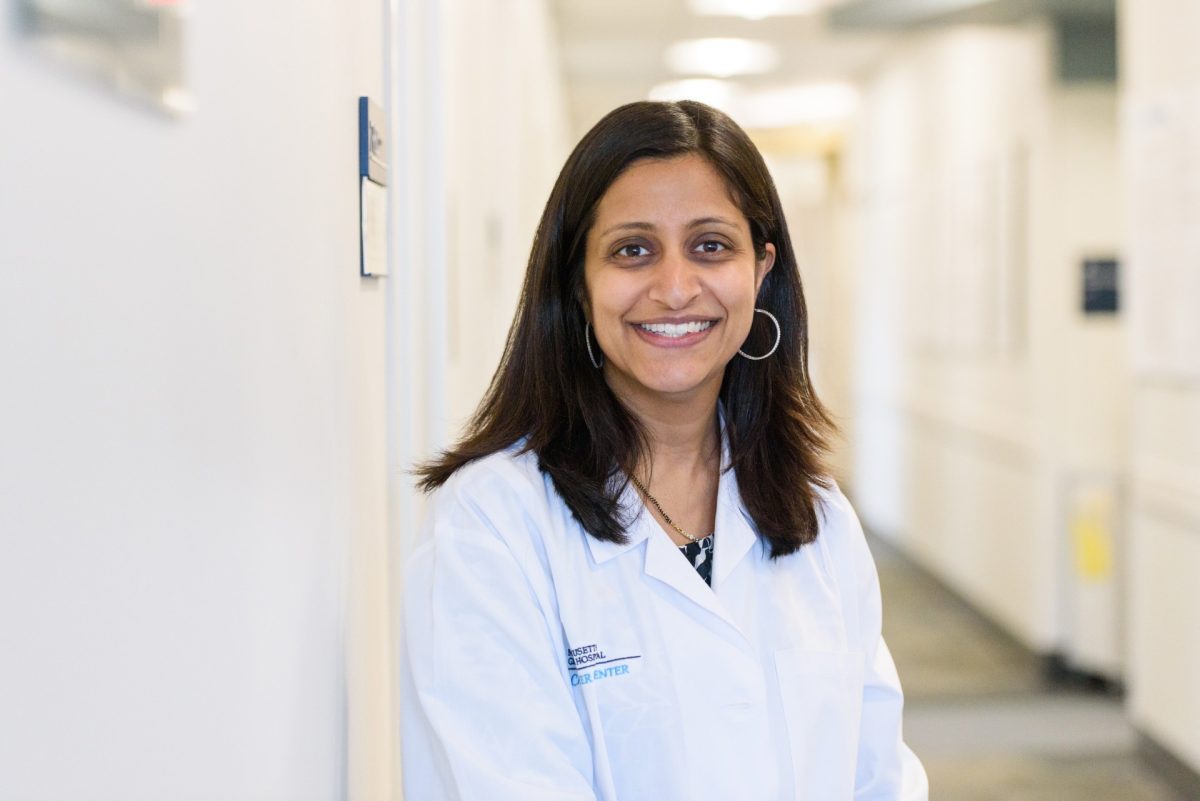
“When you get a cancer diagnosis, it is stressful,” said oncologist Aparna Parikh, an expert in gastrointestinal cancers at Mass General Brigham in Boston, US, where many patients from Bermuda receive care.
“If you know you have the tools of a really great, world-class academic medical centre, which has the cutting-edge treatments and doctors and resources, clinical trials and therapies, and you readily have access to those teams, my hope is that the anxiety around that and the fears would be allayed some because of that access.”
Dr Parikh pointed out the importance of multidisciplinary care for cancer.
“At MGB, we really provide that care, where we are evaluating every patient with a sub-specialist from every discipline, including medical oncology, surgical oncology and radiation oncology,” she said.
“That same level of expertise and multidisciplinary care is more limited on the island.”
Cost-effective
Still, even with the knowledge that they will be in expert hands overseas, a cancer patient may feel overwhelmed at the thought of factoring in a foreign trip, both financially and logistically.
Luckily, on-island insurers can take on much of the strain.
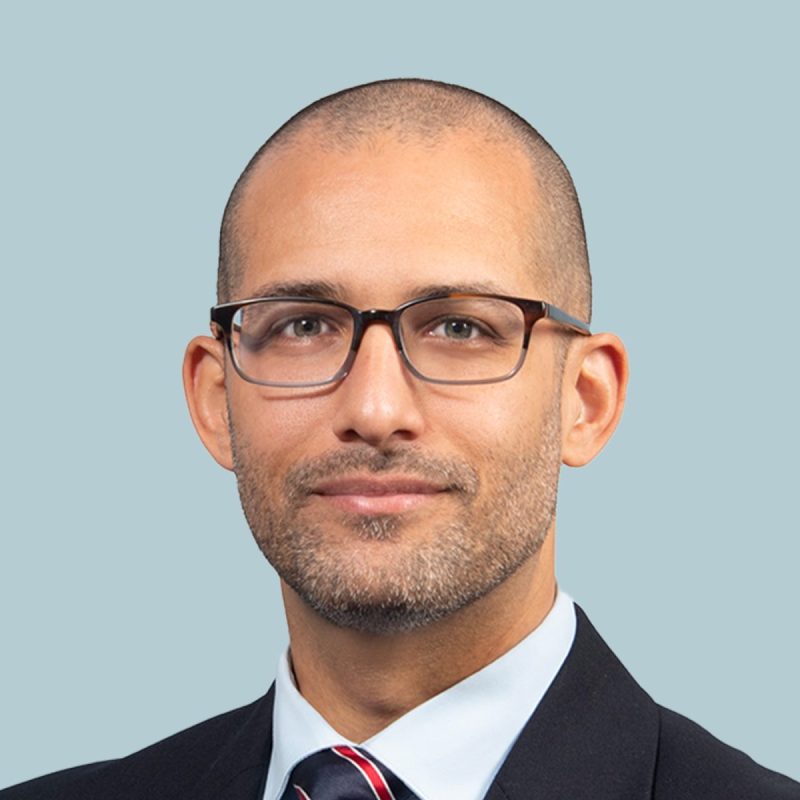 Jai-Michael Phillips, head of Benefits, Insurance and Provider Relations at Allshores, explained that the company has an in-house travel agency which makes bookings for clients once a referral has been received.
“There’s no money out of pocket if you are booking through us,” he said.
He added that insurers can often get discounts at hotels and long-stay accommodation near hospitals, making it more cost-effective to access their help from the start.
After a patient’s stay overseas, Allshores reimburses “per diems” – a set daily allowance for food and transport – on receipt of a hotel folio.
Mr Phillips said: “No receipts are needed.”
For many cancer patients, the thought of accessing and navigating care in a much larger healthcare facility than they are used to may be daunting – and there may be privacy concerns.
Mr Phillips said Allshores had local and off-island case management teams to assist customers, all of whom work for the company, as opposed to for a third-party provider, and they must keep all information confidential.
He said where a patient receives care depends on their individual medical circumstances.
“You could have a breast cancer that 100 per cent can be done in Bermuda.
“You could have a very complicated breast cancer that has to go off island, maybe because of co-morbidities.
“There’s so many different complications that can come up. It is all very much patient by patient.”
He stressed that such decision-making was entirely clinical.
“Every single person that gets diagnosed goes through the rigour of making sure that the best clinical journey is decided on first before insurance is engaged from a payment standpoint,” he said.
“If the doctors are saying it happens outside of Bermuda, it happens outside of Bermuda for clinical reasons, not for access reasons or capacity reasons, but for clinical reasons.
“And if they say it can happen in Bermuda, then it happens in Bermuda.”
Communication is key
Mr Phillips described how some cancer patients fail to make a claim to Allshores until after they’ve been abroad and had the treatment.
That can mean the care ends up costing more – impacting everyone’s health premiums – and, in some cases, that a customer’s plan doesn’t cover certain treatments that haven’t been approved as standard of care.
“Cancer is one of those diagnoses where there’s lots of cutting and leading-edge things happening,” he said.
“Because of that, we always want to understand what’s going on with the patient from an insurance payment perspective, because experimental and investigational and clinical trials are not covered under the plan.”
He emphasised that communication between cancer patient and insurer was key throughout.
“It needs to be understood that when people do travel off island, they are entering a much larger, much more complex clinical system at whatever hospital they go to,” Mr Phillips said.
“That’s why the overseas case management team is so critical … so that we can be there for you when you need us the most.”
Likewise, the local case management team helps once a patient is back at home.
Mr Phillips said: “When they’re coming from a very complex and high level of care off island and they come back to Bermuda, [a lot of people] don’t know how to connect the dots because our system, as small as it is, is still very disjointed.
“The flow of information for patients can be disjointed and that’s why the local care management team is so important, because they grab all of that inconsistency and they turn it into something digestible for a returning patient.”
Dr Parikh said patients should be assured that an overseas hospital would still be available to help even after they return to Bermuda.
“I always tell my patients: ‘I’m now part of your team’. And if I’m the captain of the team, we’ll always do what we need for you and co-ordinate with the local doctors if necessary.”
