
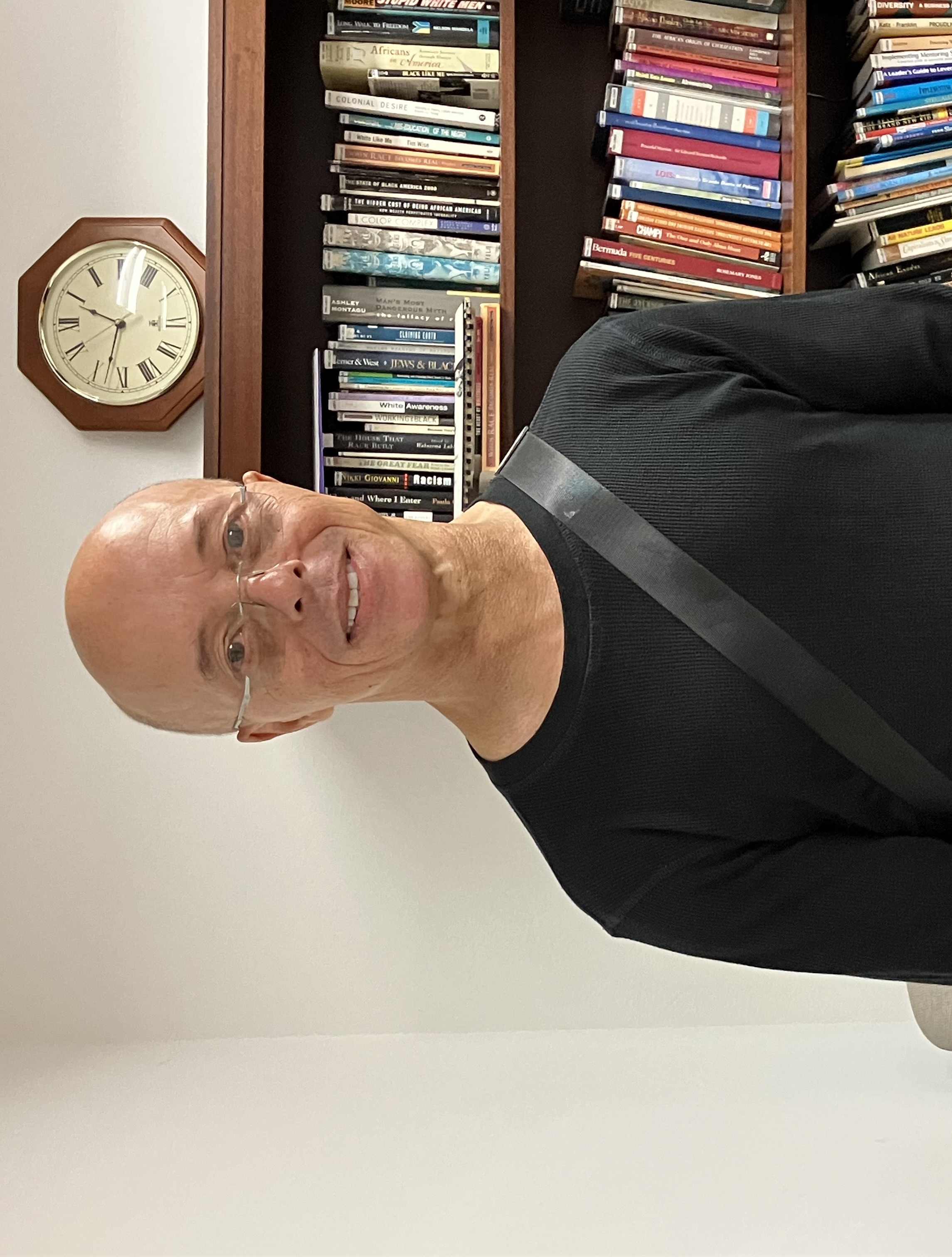
Patrick Reid has spent more than six decades dealing with life’s challenges.
From schooling, to work life, to everyday tasks, and even emergency situations, life for a deaf person in Bermuda is about overcoming barriers.
Mr Reid attended Friendship Vale School for 13 years but had to travel overseas to continue his education at Ohio School for the Deaf in Columbus, studying academic and vocational subjects.
Now 61, he works as a baggage handler for Menzies Aviation at LF Wade International Airport, where he is the sole deaf person on staff.
He joined Menzies seven years ago after working in the hospitality sector for decades, first for his parents’ restaurant in St George until they retired and later for Four Star Pizza and Port O’ Call.
In 2024, Mr Reid participated in a “community conversation” organised by the Human Rights Commission to “create an accessible and inclusive space where people with disabilities could share their stories and lived experiences”.
In its Disability Inclusion Report, the HRC wrote that Mr Reid’s video presentation provided insight into the challenges and successes he has experienced in the workplace.
The HRC wrote: “He spoke positively about his role as an airport employee, highlighting how he has been able to contribute meaningfully despite communication barriers.
“He also emphasised the need for better accessibility tools in his work environment.
“One key improvement he advocated for was enhanced communication systems, particularly access to verbal messages transmitted through the airport radio system.”
The HRC added: “Patrick’s story underscored the importance of inclusive workplace practices and adaptive technology that allow individuals with disabilities to thrive professionally.
“His experience serves as a call to action for businesses and organisations to prioritise accessibility, ensuring all employees have the tools they need to succeed.”
Mr Reid told us: “You need to improve the communication, meaning getting the information to the deaf, using different ways of communicating, like texting, emails, even sitting down and doing a one-on-one if you have to talk one-on-one, using body language for the hearing and for the deaf so that they all become equal.
“Also, making sure that their voices are heard, making sure that you use eye contact, and removing that discriminatory attitude.
“It doesn’t matter if we are deaf or we are hearing, we are all equal, you know. We have to remember that.”
Rather than viewing themselves as disabled, many deaf people consider that they are part of a culture. Success is seen through the prism of finishing the job that they were asked to do.
Mr Reid, who is proud of his strong work ethic, said: “Just open up and give me a chance. People think that it’s easy being within the hearing culture, but the deaf community can grow stronger moving forward being within the hearing world once we all support each other. We can do better, and we can improve the workplace.”
He added: “There’s that stigma that we can’t communicate, but we can, you know, we can actually communicate to get our jobs done together.”
Outside the workplace, the deaf community faces general barriers daily – from knowing when people knock at the door, to the challenges of making a 911 call.
Mr Reid said: “In every single parish, all the nine parishes, we need an improvement. I’ve pretty much had discrimination all my life.
“Times need to change. We need to move forward. We need to move on.”
Mr Reid, who thanked sign language interpreters on the island for their support of the deaf community, also has a more personal goal.
“I want to be able to express myself, maybe through writing to my friends and to my family, what it is that I would like more from my life than what it is that I’m doing right now.”
- Our interview with Patrick Reid was conducted with the assistance of sign language interpreter Lawreida Cartwright.
