
“The measure of a society is how it treats its most vulnerable members,” a phrase often attributed to Mahatma Gandhi, rings especially true when we consider the overlapping challenges faced by people living with dementia or vision loss.
While the two conditions are distinct, both can disrupt how individuals interact with their world and connect with their environment and others.
It’s a reminder that, more than ever, compassion matters; from how we design our spaces and train our caregivers, to how we support each other through change.
While dementia can affect memory, judgment and communication, vision loss alters how people perceive their surroundings. When either occurs, tasks that were once simple – finding the bathroom, crossing a street, or recognising familiar faces – can become disorienting or even dangerous.
In unfamiliar environments or low-light situations, confusion can increase. The result can lead to social withdrawal, reduced confidence and a growing sense of isolation.
Vision Bermuda supports individuals experiencing vision loss by providing tools, training and technology
to help them maintain independence. Though the organisation doesn’t work directly with dementia, the
overlap in needs is clear. Many of the same strategies, such as adapting the home environment, using tactile or auditory cues, and offering clear, consistent support, can benefit people living with dementia, too.
Caregivers are often the quiet bridge between these worlds. It’s not uncommon for a caregiver supporting someone with dementia to also manage other health conditions, including sensory loss.
In these situations, Vision Bermuda’s resources, including home assessments, adaptive devices, mobility training and social and support groups, can reduce stress on caregivers and improve the daily experience for those in their care.
This overlap highlights a broader truth: many people, regardless of the condition they’re living with, face
similar emotional and practical challenges. The loss of independence, the stigma attached to disability,
and the need for environments that are both accessible and respectful of individual dignity are concerns
that cut across diagnoses.
At Vision Bermuda, we recognise that the challenges of sight loss often mirror those faced by individuals
living with other conditions, like dementia. By supporting people with vision impairment, we’re
contributing to a broader culture of accessibility, empathy and inclusion.
No one should have to navigate confusion, disorientation, or isolation alone, and with the right tools, training, and community support, we believe independence can still thrive.
Dementia may affect how someone thinks, and vision loss may affect how they see, but it’s how we show up for one another, as neighbours, friends, family, and community, that makes the biggest difference. Let’s choose to show up for those facing these challenges and work together to ensure that everyone has the support they need to age with dignity.
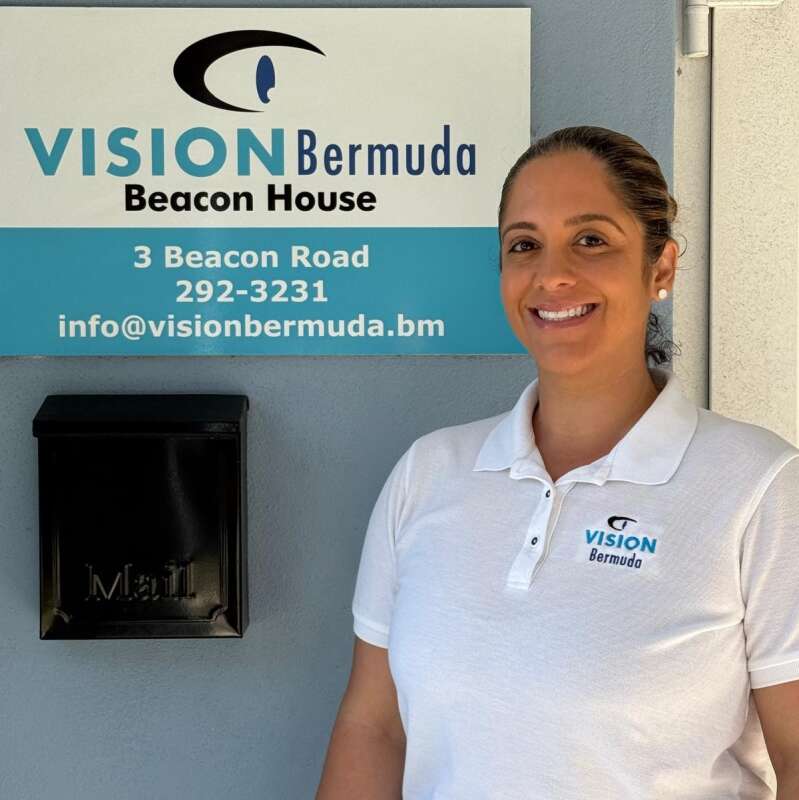
- Erica Ingemann is the executive director of Vision Bermuda.
