
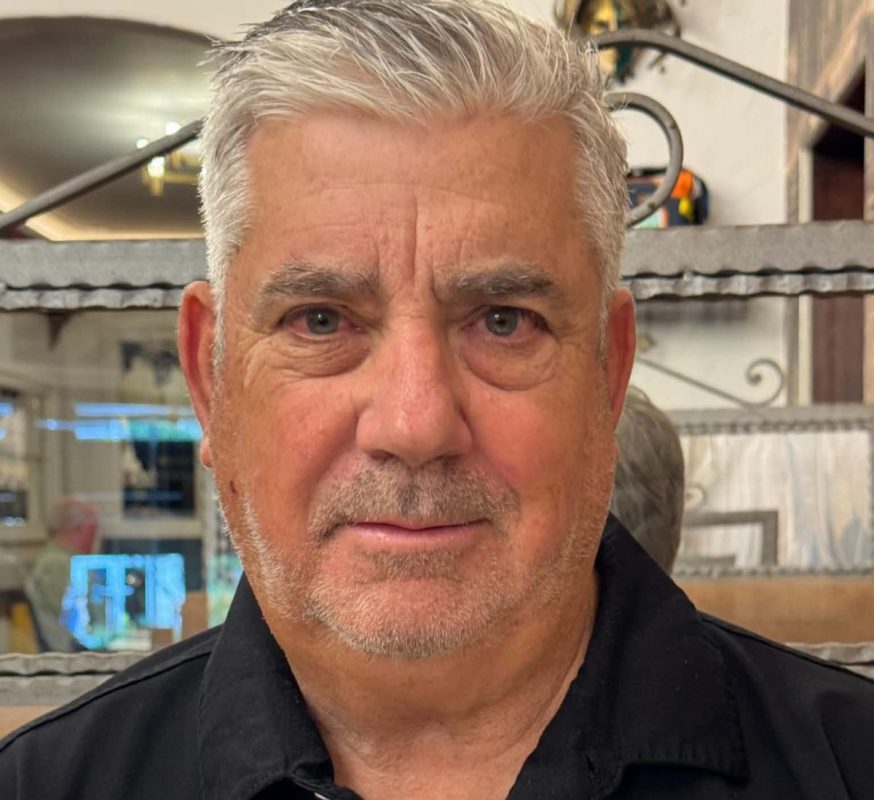
At 67, Mark Diel found himself back at a desk among students much younger than him.
He was by far the oldest of nine on an emergency medical technician course at Bermuda College, and the experience was initially intimidating.
The lawyer, now semi-retired and working as a consultant, wanted to try something completely new. Studying to become an emergency medical technician offered a physical and mental challenge, as well as an opportunity to get involved in medicine.
“I wanted to do something that got me out of my comfort zone,” he said.
His return to studying illustrates both the demands and the rewards of learning later in life. Getting to grips with unfamiliar material takes effort, but it can also bring new interests, company and a sense of purpose.
Mr Diel found the course difficult and the volume of material formidable. Alongside classroom work, he felt he needed about an hour’s study a day to prepare for lessons and exams.
“You can forget how to learn, but you do get back into it,” he said.
While taking the course, he joined St John Ambulance after another student suggested it. At the time of the interview, he was completing clinical experience with the hospital ambulance team, part of the minimum 40 hours required to qualify.
He described people at the college, St John and the hospital as helpful and accepting. Mixing with younger people was part of the experience, and he was thoroughly enjoying volunteering.
Although he does not claim to know whether studying has improved his cognitive abilities; he has found the new challenge fascinating.
The benefits of learning can extend beyond the satisfaction of mastering a subject.
The NHS includes learning new skills among its five steps to mental wellbeing, pointing to greater confidence and self-esteem, a sense of purpose and opportunities to connect with others. It also stresses that learning need not involve exams or qualifications: the aim is to find activities you enjoy.
Research highlighted by the US National Institute on Aging found that older adults who learnt quilting or digital photography showed greater memory improvement than those who only socialised or undertook less demanding activities. That does not mean every course will have the same effect, or that learning prevents dementia.
At Bermuda College’s Lifelong Learning Centre, the opportunities range from languages and painting to ukulele, bridge and line dancing. The non-profit membership organisation, founded in 1990 and open to people aged 55 and over, keeps fees low to make activities accessible.
Dr Sylvia Shorto, its executive director, said the programme focuses on physical health, cognitive function and social connection. It also gives people the chance to pursue interests they had little time for earlier in life.
“I think growing older is a well-kept secret,” she said. “Losing friends and loved ones is the hardest part. At LLC we offer all sorts of opportunities to keep on growing.”
She recalled one member who said he had been staying in bed all morning after retiring. He was now line dancing, doing yoga and walking three miles a day.
“I am convinced that both learning and socialisation are important for well-being whatever your age,” she said.
For Mr Diel, a starting point is to think about what you might like to do, then explore the college’s courses. Those interested in medical volunteering could try first-aid training with St John before deciding whether to go further.
Dr Shorto’s own experience offers another perspective on the possibilities of later life. An architectural historian who taught for many years, she never expected to work into her eighties, but she is still enjoying it.
She said: “Perhaps that is because I am still learning. Perhaps teaching and learning are exactly the same thing!”
