
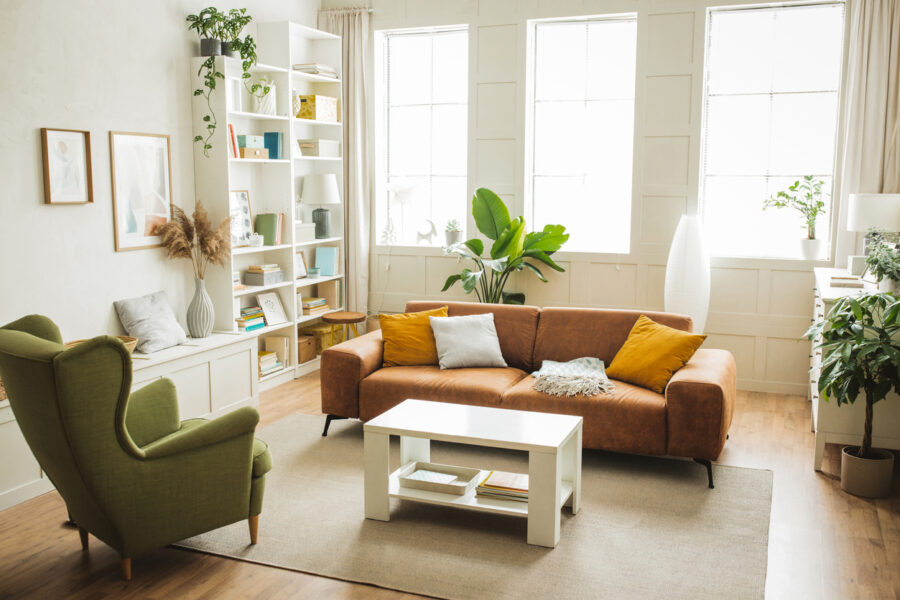
Creating a home that looks and feels luxurious does not have to mean spending a fortune on expensive furniture, elaborate renovations or designer accessories.
While marble countertops, statement chandeliers and custom-made furnishings might be on many homeowners’ wish lists, there are many ways to achieve a sophisticated look without stretching the household budget.
According to Hamma Galleries, the secret is paying attention to the smaller details that can make even modest furnishings look more expensive.
“Design is all about the details. Even lower-cost larger items can be enhanced with thoughtful accents, like hardware, to create an expensive and luxurious appearance,” they told us.
With a little creativity and some carefully chosen finishing touches, homeowners can transform ordinary rooms into elegant, welcoming spaces without taking on a major redesign.
Simple but effective
One of the simplest places to start is with existing cabinetry and doors. Replacing standard handles and knobs with more stylish hardware can make a surprising difference, particularly in kitchens and bathrooms.
Brushed brass and oil-rubbed bronze can give a more polished look to your kitchen cabinets, built-in storage units and interior doors, without the cost of replacing them.
Lighting is another area where small changes can have a dramatic effect.
Rather than relying entirely on ceiling fixtures, try different sources of light throughout a room. Table lamps, standing lamps and smaller accent lights can all help create a softer, more inviting atmosphere.
“Use warm-coloured bulbs instead of harsh white ones to create a soft, inviting glow,” the company advised.
Small lamps placed on bookshelves or side tables can also add interest to corners that might otherwise go unnoticed. Cordless lamps are especially useful because they can go wherever they are needed without worrying about access to electrical outlets.
Installing dimmer switches is another relatively inexpensive improvement allowing you to change the atmosphere of a room throughout the day.
A brightly lit living room might be ideal for family activities, for example, while softer lighting can create a more intimate setting when entertaining friends in the evening.
Texture is equally important when trying to achieve a luxurious look, particularly in rooms decorated in neutral colours.
Although an all-white or beige interior can feel calm and elegant, it can also appear flat without enough variation in materials and finishes.
Mix it up
Hamma recommends combining fabrics such as linen, cotton and wool with natural elements like wood and stone. Woven materials and fabrics with a slightly uneven or textured surface can add depth and interest without introducing bold colours or patterns.
“Mixing linen, cotton, wood, and stone elements helps create a rich and grounded aesthetic,” the company said.
A sofa, for example, can be given an entirely different appearance simply by adding a selection of soft linen cushions in complementary colours and textures. Draping a throw blanket over the arm or back of a chair can introduce warmth and make a seating area feel more inviting.
The key is to create a layered look, with different materials working together rather than competing for attention.
Paint is another affordable way to transform a room, whether refreshing tired walls or giving an old piece of furniture a new lease of life. A fresh coat can make an interior feel cleaner, brighter and more contemporary, particularly when the right finish is chosen.
For walls, Hamma recommends matte or eggshell finishes, which generally create a softer, more modern appearance.
Gloss and semigloss finishes can be effective in the right setting, but they require careful application because imperfections tend to be more noticeable.
Homeowners can also experiment with paint on second-hand furniture or pieces they already own.
An outdated chest of drawers, side table or cabinet might be completely transformed with a new colour and finish, offering an inexpensive alternative to buying something new.
For those who enjoy a little contrast, a carefully chosen high-gloss accent piece can add an extra touch of glamour.
Another approach is to invest selectively in “noble materials” — natural materials such as marble, stone and wood that are valued for their appearance and lasting appeal.
Although these materials can be expensive when used extensively, smaller decorative pieces can give a sense of quality without a large financial commitment.
A marble bowl on a coffee table, a wooden tray on a sideboard or a decorative dish can all add interest while serving a practical purpose.
Trays are particularly useful for grouping smaller objects together, helping everyday items look more organised and intentional.
An accent table made from a beautiful natural material can also become a focal point, providing a stylish surface for a lamp, books or other decorative accessories.
Window treatments offer another opportunity to make a room appear more impressive than its dimensions might suggest.
“Hang curtains high and wide to make your windows appear larger and your ceilings feel taller,” Hamma advised.
Floor-to-ceiling drapes also introduce softness and elegance, particularly when made from fabrics that fall naturally and complement the surrounding furnishings.
Get creative
Artwork can have a similar impact.
Rather than filling walls with numerous small pictures that may get lost among other furnishings, Hamma recommends choosing oversized pieces that immediately draw the eye.
A large painting or canvas can create a striking focal point, bringing personality and drama to an otherwise simple room.
There is no need to spend heavily on original artwork. Homeowners with a creative streak might consider making their own canvas pieces, choosing colours and designs that suit their existing décor.
Plants and flowers offer another easy way to bring life into a space.
A large leafy plant in an attractive container can soften a bare corner, while flowers arranged on a dining table or entrance console can make a room feel instantly more welcoming.
For those concerned about the ongoing cost of fresh flowers or the maintenance involved in keeping plants healthy, Hamma suggests considering good-quality artificial alternatives.
Perhaps the most affordable improvement of all, however, is simply clearing away clutter.
“Keep surfaces clean and open; a clutter-free space instantly feels more intentional and expensive,” the company said.
It also allows carefully selected decorative pieces to stand out, rather than becoming lost among everyday belongings.
Ultimately, creating an expensive-looking home is less about how much money is spent and more about how thoughtfully each element is chosen.
