
Love the idea of spending an afternoon at the spa but struggle to find the time? What if you could end a long day by sinking into warm, bubbling water right in your own backyard?
A home spa can transform an ordinary patio or pool area into a private retreat where you can relax and unwind, soothe tired muscles or simply enjoy time with family and friends.
But is installing one really as straightforward as it sounds?
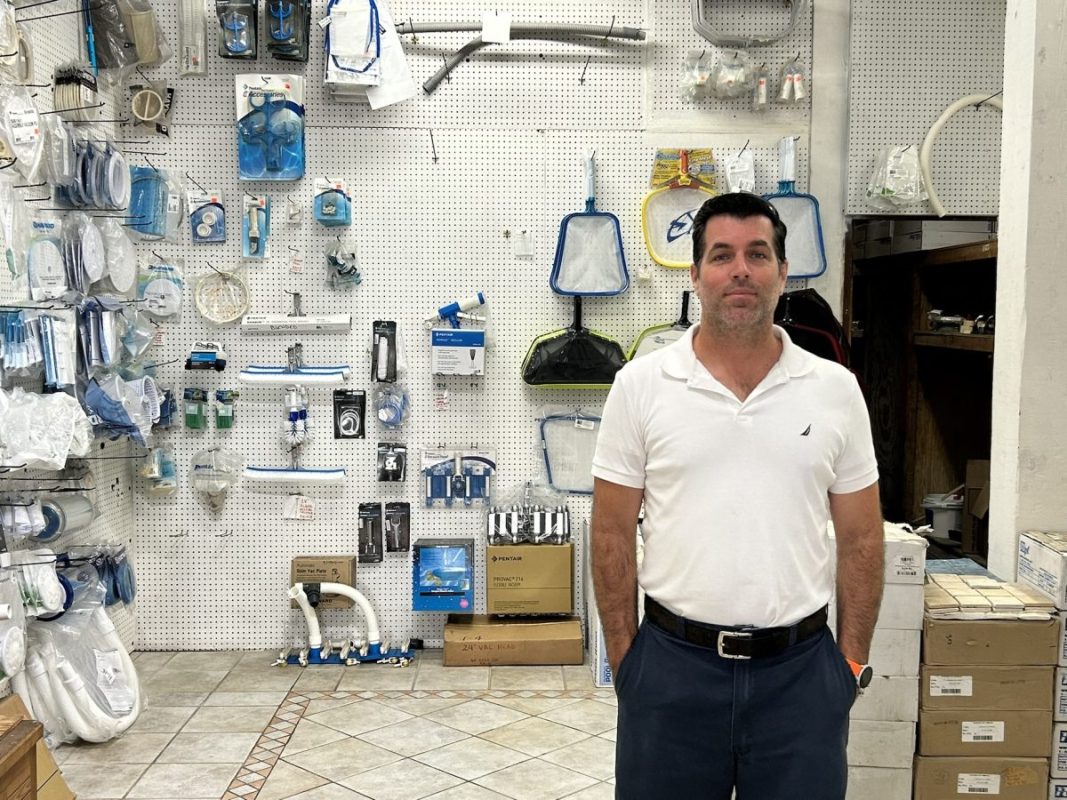
According to Dave Stewart of Pool and Spa House on King Street, careful planning before you buy can save years of frustration later.
Years ago, prefabricated above-ground home spas were a familiar sight in many Bermuda gardens, and while it is still possible to purchase a manufactured spa online and import it yourself, Mr Stewart cautions homeowners to do their research instead of focusing solely on the sticker price.
“People often forget to factor in shipping costs, customs duty, installation, electrical requirements, warranty support and, perhaps most importantly, the long-term availability of replacement parts,” he said.
“There used to be several local suppliers of ready-made above-ground spas, but obtaining replacement parts became increasingly difficult, so we eventually stopped importing them.
“A quality spa should last ten to 15 years if it’s properly maintained, so it’s a significant investment. Before importing one yourself, make sure you’re buying from a reputable manufacturer that can continue to supply tech support and parts once you bring it home.”
That advice is particularly relevant in Bermuda, where virtually every replacement component must be imported. If a pump, heater or electronic control fails, shipping delays can leave owners waiting weeks or months for parts to arrive.
Custom-built spas
For homeowners looking for a dependable, hassle-free alternative, a custom-built, locally made spa might be a better option.
“These bespoke installations are extremely reliable because they operate just like a small swimming pool, using standard pumps, filters and other pool equipment that is readily available,” said Mr Stewart.
Custom-built spas have become increasingly popular in Bermuda. “I’d estimate that around one in ten swimming pools on the island now has an attached spa,” he said.
Bespoke spas can be raised stand-alone units or incorporated into the end of a swimming pool but, regardless of which design you are considering, it requires a solid, level base capable of supporting several thousand pounds once filled with water and occupied.
“Unless you are an experienced builder yourself, it’s advisable to hire a local company that can manage the entire project, including the electrical work, plumbing, masonry and installation, and provide references for similar projects they’ve completed.”
Planning regulations
In Bermuda, above-ground spas and hot tubs are subject to the same regulations as above-ground pools.
Before installing any above-ground spa or hot tub, homeowners should consult Bermuda’s planning and building code, or an experienced local installer, to determine what approvals will be required.
Check the safety requirements, as all spas with a water recirculating system require a building permit, protective barriers at least four feet tall, and self-closing and self-latching gates. Electrical components must also be properly bonded and grounded and protected by ground fault circuit interrupters.
Maintenance
Owning any sort of outdoor equipment in Bermuda requires constant vigilance, as salt that settles on metal surfaces or electrical connections can cause corrosion and reduce its lifespan.
Like a swimming pool, a home spa requires basic regular maintenance to keep the water clean, safe and comfortable to use.
According to Mr Stewart, the biggest mistake homeowners make is neglecting their water chemistry.
“The key is to pay attention to your water quality,” he said. “Even a ready-made above-ground spa should be tested every week to ensure the pH and alkalinity remain within the correct range.”
Water that becomes too acidic can irritate the skin and eyes, while unbalanced water chemistry can also damage pumps, heaters and other components over time.
Chlorine tablets or chlorine granules, referred to as shock, are typically used to keep the water properly sanitised. Bermuda’s hot, humid climate means owners should also expect water to evaporate. This means that every time fresh water is added, the water chemistry should be checked and adjusted to maintain the correct balance.
Routine cleaning is also important. Using a skimming net to remove leaves, insects and other debris from the water, together with a soft brush to clean the spa shell and waterline, will help keep the spa looking its best while preventing dirt from clogging filters and placing strain on the circulation system.
Other safety considerations
All home spas must have a secure cover, to prevent children and animals from unintentionally entering the water, and to keep debris from entering the unit, particularly during a storm. Failing to keep your home spa clear of leaves, twigs and other debris can clog filters, place strain on pumps and circulation systems, reduce water quality and lead to equipment failures and costly repairs.
Mr Stewart also emphasised that safe spa use is just as important as proper maintenance. Water that is excessively hot can increase the risk of overheating, dehydration and dizziness, so users should always follow the manufacturer’s recommended temperature settings and avoid remaining in the water for extended periods.
It’s also important to avoid using a spa after consuming alcohol, as the combination of alcohol and hot water can impair judgement, intensify the effects of intoxication and increase the risk of accidents or medical emergencies.
With a little planning, regular maintenance and attention to safety, a home spa can provide years of enjoyment and become a favourite place to relax at the end of a busy day.
Best of all, the next time you need to unwind, your dream oasis could be just a few steps from your back door.
