
The day-to-day costs of maintaining a home, especially monthly electricity bills, are an ongoing concern for many homeowners and tenants.
One way to buck the trend, many people are finding out, is through eco-friendly design considerations and more sustainable product choices.
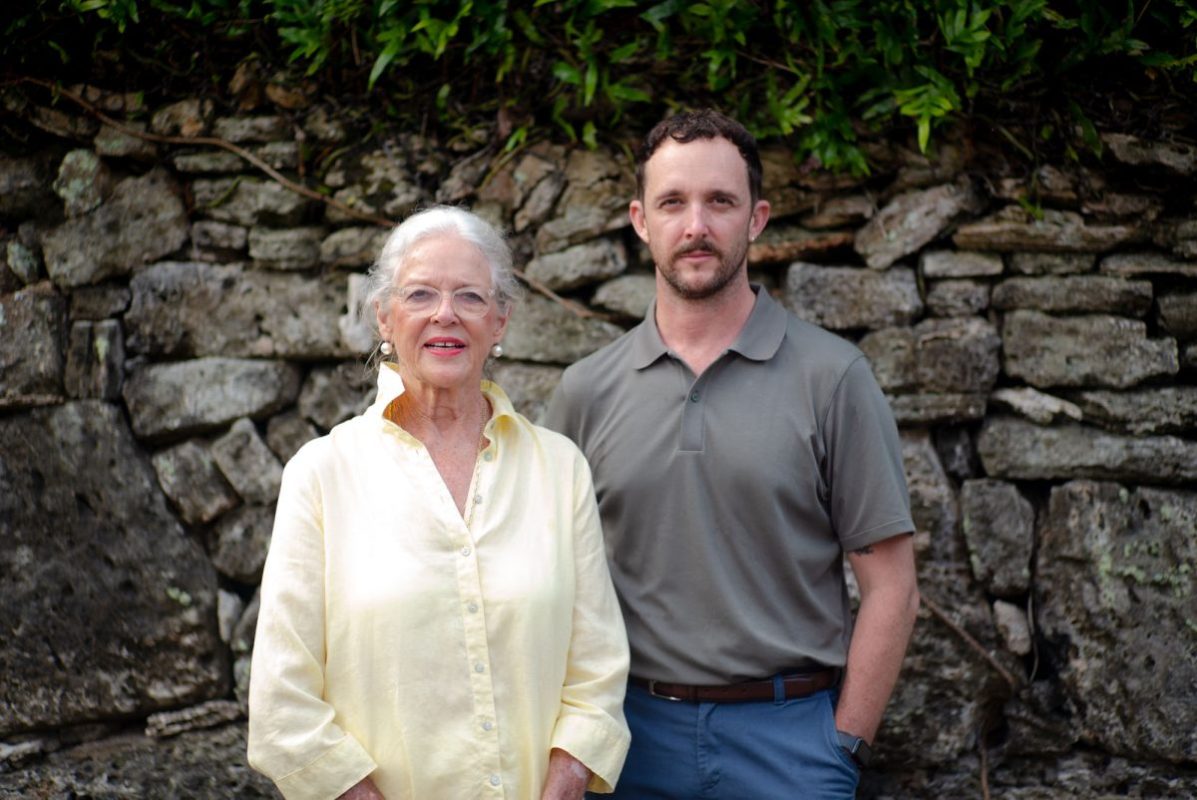
Stratton Hatfield is a sustainability designer and co-founder of Bedrock, a real estate and sustainability consultancy. He explained that, in recent years, there has been a shift in awareness about the impact a home’s design can have on its costs. It’s no longer just a question of liking the kitchen or outdoor space. Maintenance expenses have become a major factor in property investment decisions.
“People are thinking about what are the operating costs of a property now, and what can they do to reduce those operating costs,” Mr Hatfield said.
Passive house design
For anyone considering a major renovation or new build, passive house building principles, developed by Germany’s Passivhaus Institute, prioritise highly energy efficient construction and renovation.
For Bermuda, many of these principles were instinctively adopted by early house builders and designers such as the architect, Wil Onions, in the age before air-conditioning.
“It’s how you orient the building so that you can maximise natural wind flow,” Mr Hatfield explained.
“In Bermuda, you want south-westerly breezes and you want the house to be able to open up and have the south-westerly breezes going through.”
Large top-hinged shutters on the southern side of buildings would have also helped to reduce heat gain.
“In passive house, you optimise light and airflow,” he continued. “You also design it to create an envelope in the building so that when you’re trying to heat the building, you’re keeping all of the heat in. When you’re trying to cool the building, you’re allowing that natural airflow and ventilation to be blowing through the building.”
Energy efficiency
Even if you are a tenant or have no plans to renovate or build, you can still make adjustments to reduce bills.
LED light bulbs use 80 per cent less electricity than halogen light bulbs, so replacing the latter with the former immediately reduces the amount of energy a home uses. They also last longer: “I’ve had the same LED light bulbs in my house now for ten years,” said Mr Hatfield.
Another easy energy saver is to install timers on water heaters.
“Sometimes people only take a shower once a day and they take it in the morning, so there’s no sense in them having the water heater on at 5pm,” he pointed out. If possible, upgrading to a heat pump water heater is also more energy efficient.
Efficiencies aren’t always about reducing electricity consumption. There are other design techniques and materials that can make a home more economical, such as reducing the cleaning costs, or increasing food storage capacity.
“It could be the type of flooring that you install and how maybe that flooring requires less cleaning or less maintenance. It could be how you design your pantry space so that you can stock up on wholesale goods, so that you don’t need to go to the shop as much,” he explained.
Sustainable materials
Mr Hatfield added that, like LED light bulbs, there are certain building materials that last longer or work better with Bermuda’s environment, which can also help to keep longer term expenditure down.
Double or triple-glazed windows, which have hurricane rated glass, reduce the need to install hurricane shutters or buy plywood, for example.
There is also a mineral-based paint called KEIM, available at JW Gray & Co, that he recommended. Unlike most traditional house paints, which are acrylic and polymer-based, this type of paint allows the building to breathe and is less conducive to mildew.
“It lasts longer, so you’re reducing costs over the long term.”
Landscaping
More practical landscaping can also embody passive house principles as well as reduce overall expenditure.
“Think about how you can use trees to provide shade,” said Mr Hatfield. “In countries where there’s seasons, you plant trees that drop their leaves in the winter to allow for more natural light to come into the property when there’s less sun.”
He also advised investing in native and endemic species because they are better equipped to withstand Bermuda’s droughts, hurricanes and heavy rains. Silver buttonwood, olivewood and natal plum are all low maintenance, native species that he recommended.
“Those are all trees that could be hedged, so if you’re looking for privacy, but you’re also looking for something that is going to keep the leaves on even when a category 4 comes through,” he said, “it’s worth the investment.”
For something faster growing, however, with more colour, and the ability to withstand the heat of the summer, he suggested Oleander.
What Mr Hatfield called “edible landscaping” could also help to reduce food bills. If you enjoy herbs, for example, mint, rosemary and West Indian thyme all grow well in Bermuda and require little to no maintenance.
A banana patch is also easy to start, but they need a lot of water, so he advised planting them on the lowest level of the property to benefit from water run-off.
Another low-maintenance, low-cost option, if the homeowner isn’t concerned about having a mowed lawn, is rewilding.
“Just leaving it alone or maybe putting certain things in there that will thrive on their own, but they’re still having a beauty element to them, like wildflowers,” he said.
Landscaping can also be used to improve the local ecosystem, by supporting wildlife such as bees.
“Bees are a declining population and we need these in order to grow food,” he said. “Planting trees, shrubs, bushes and things that will produce flowers that the bees can pollinate on is really important.”
For anyone wanting a garden designed around growing more of their own food, Mr Hatfield works with the AgraLiving Institute.
“If we think about another big cost in Bermuda, it’s groceries,” he said. “Growing your own food is shown to be therapeutically beneficial as well.”
